How do you create furniture that feels at home in the kitchen — and still stands on its own as true Danish design?
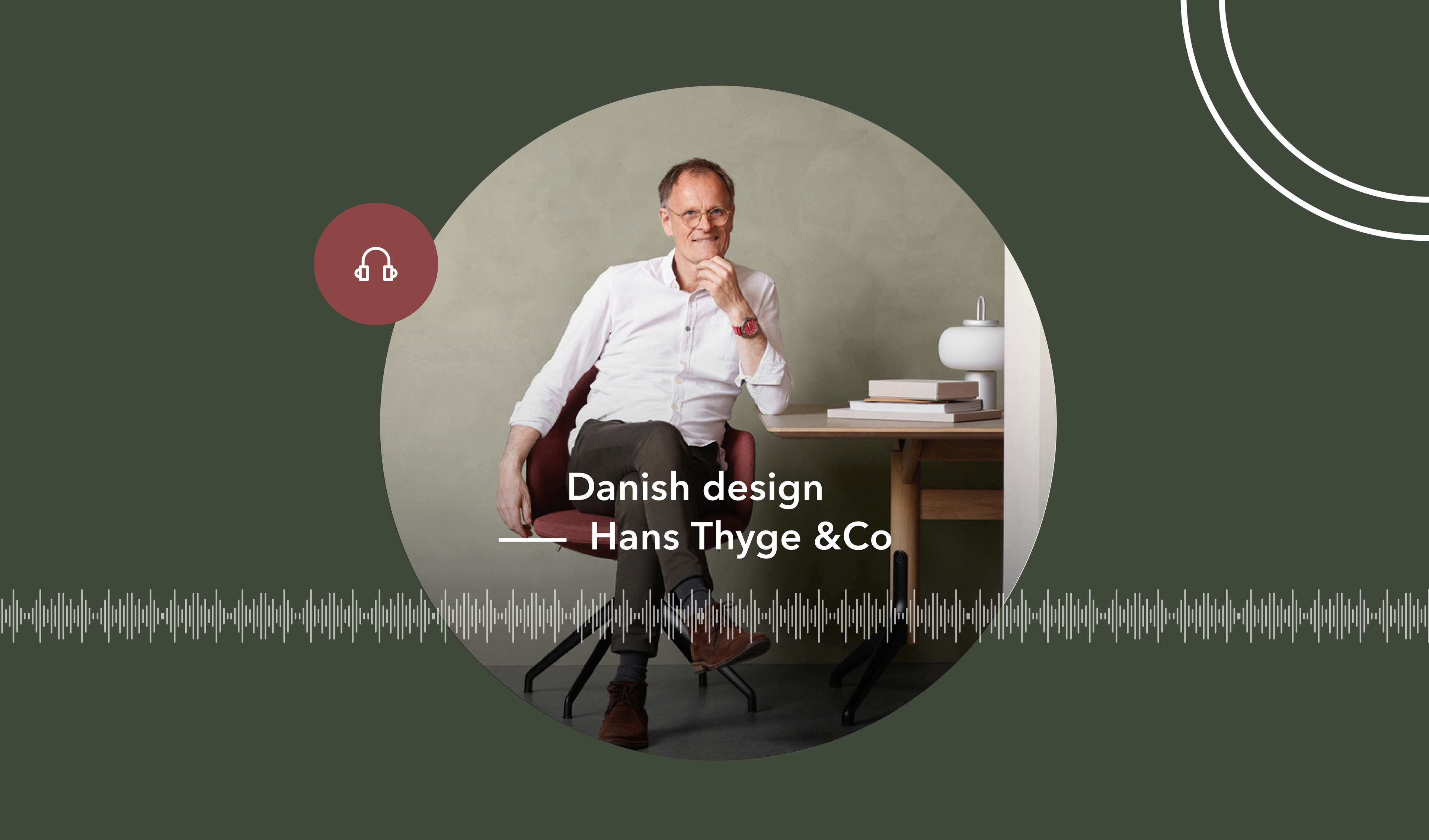
In this episode of The Sociable Kitchen® Podcast, host Julie Broberg talks with Hans Thyge and Søren Stellfeld of Hans Thyge & Co, the design duo behind The Sociable Table, The Sociable Chair, and The Horizon Lounge Chair — part of Kvik’s growing Kvik Living collection.
Hans and Søren share the story behind their collaboration with Kvik, the challenge of creating “outstanding design that’s still affordable,” and why simplicity, touch, and proportion matter more than ever. They discuss how Danish design continues to evolve — not by reinventing, but by reinterpreting — and why good design must first touch your heart before it speaks to your head.
The Sociable Table and Chairs are available now as part of Kvik Living — Danish design made for togetherness.
This page is a transcript of the episode.
Danish design — Hans Thyge & Co
Welcome to The Sociable Kitchen® — a podcast by Kvik. I’m Julie Broberg. We’re a Danish company that’s been producing affordable, high quality Danish design kitchens, bathroom furniture and wardrobes for more than 40 years. We recently introduced Kvik Living, furniture, lighting and accessories for the home, with a particular focus on our area of expertise — the kitchen.
We knew when we decided to launch Kvik Living, that we wanted to work with some of the best designers in Denmark. And today, we’re talking with two of them! Meet Hans Thyge and Søren Stellfeld of Hans Thyge & Co., who designed our Sociable dining table and several chairs for our Kvik Living series.
We were actually in doubt whether we should do it
Julie: Were you surprised when Kvik, a kitchen company, got in touch and said, Hey, we wanna make furniture. I know you have a good story about how. How it started. How it started, yeah. Yeah. Søren, I remember you told us this story.
Søren: Yeah. I remember it was a painful morning for me. I was, I remember it was a gray and dark winter morning, and my car was no, it was not broken down, it was just a flat tire as I remember. But I was sitting in my car and then, my phone was ringing really early. I think before eight o'clock in the morning. I was like, who the hell is that calling so early? And then it was Christian and he was just, he said so many nice things about us and, really admired our work And yeah, then he, we had a good talk and yeah. He turned turned that shitty day into a great day.
Hans: but it was not a surprise. Many kitchen companies had tried to do furniture, so it was not a surprise. And I also remember that we had a lot of internal talks about it, and we were actually in doubt whether we should do it.
Because no kitchen furniture company have actually had success making furniture. But the interesting thing was that when we started talking with Kvik, we also talked about this skepticism we had, and they were aware of it and we had a good talk because it was super important for us to feel that the approach was genuine and profound and was super important for us to understand how they would launch and market these furnitures in order to just have a, an idea about whether we thought it could be a success.
If that hadn't been as positive as it was. And we felt that there was a lot of profound considerations behind it from the Kvik side. And that was the reason we stepped into it. So actually we were quite skeptical at the beginning.
Kvik had sky high expectations
Julie: When Kvik approached Hans Thyge & Co, we knew we wanted to produce furniture that matched our kitchens. We wanted a partner that could help us design this furniture in a way that fit with our values and with our mission to offer Danish design at surprisingly low prices.
Hans: Kvik wasn't really, sure about what they wanted to do design wise. But that's not a problem because that's what you find out together with your designers. Talking about
Julie: it. Yeah. But what was it generally like? It was for the kitchen to start with, right? It was furniture for the kitchen.Or for the Sociable Kitchen®. What has become the open plan kitchen...
Søren: I think even though it might didn't say on the brief, it was, to fulfill your old saying, Kvik had years ago “everybody should be able to afford a nice kitchen.” I think we, we had that feeling that everybody needs also to be able to afford a nice chair or a nice table.
So a big part of the brief was to make, of course, great looking furniture, but also high quality.
Julie: And we always say at a surprisingly low price.
Søren: Yeah, exactly. Yeah. Yeah. I remember that as being the biggest.
Hans: Then you had sky high expectations. You wanted them to, we should do design that had the same level as Carl Hansen or Fitz Hansen or some of the big brands.
And we said yes, of course we need to, because the world is filled up with mediocre chairs and tables at low prices. And that's not the way to go. We need to create outstanding design and still affordable. And that's a goddamn difficult job. And that requires a lot of work.
Julie: Do you think you achieved it?
Hans: I think we achieved it heavily.
Julie: I do too.
Hans: But it also required a lot of work. It was not easy, and we made so many tests and so many efforts. Some of the chairs, I think we redesigned them three or four times.
Hans: So it was really a classical process and I actually believe that if we have filmed and recorded the whole process of how we created this, I would use it as a study example for many other clients. Because it was brilliant.
Julie: Okay. What was brilliant about it?
Hans: It was the curiosity. Okay. And Christian Milan, he aimed for the best and he's super focused on detailing and storytelling and shapes and proportions that everything should come together.
Julie: Christian Milan is our category manager for Kvik Living. It was his job to find the right designers to work with and to develop the right products. He started out with bar stools that are the perfect match for our kitchen islands and shelving that looks great with our kitchens. Then in the collaboration with Hans Thyge & Co., he moved on to dining tables, dining chairs and a lounge chair.
In the early stages of the design process, Hans and Søren tried to include elements that were found in the kitchens - like metal brackets that echoed the metal handles on drawers and the like. But they moved away from this rather quickly.
It turned out that making furniture is very different from making kitchens.
Hans: There’s the whole area of complexity in furniture if you get too many variations of chairs and in influences on the stock and on the manufacturing side. And as Kvik was doing this big experiment now, launching a fairly big furniture collection. We decided to keep it. Also more simple from a logistic manufacturing standpoint of view. And I think that was a good decision.
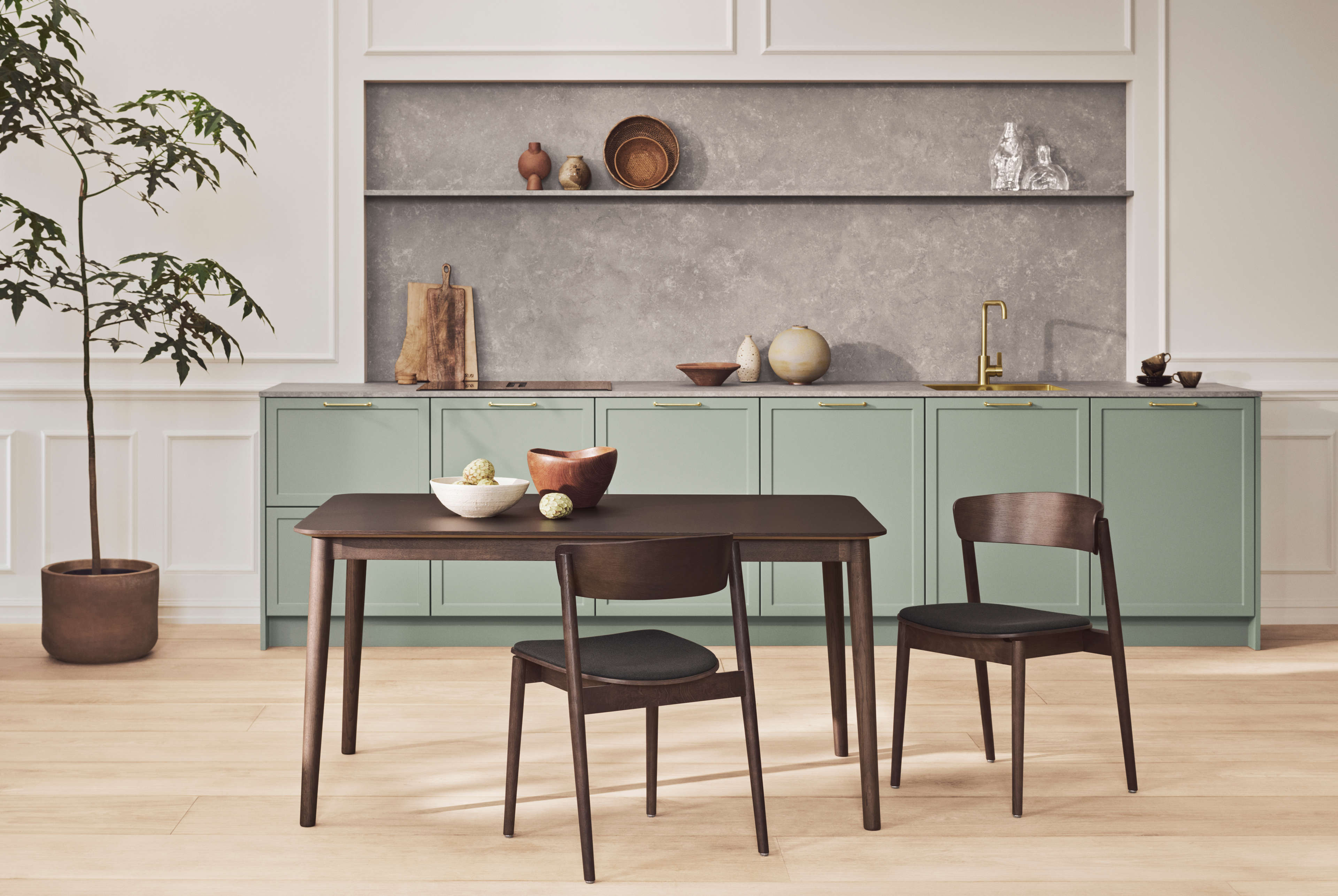
Julie: The table is where the features from the kitchen came in. Exactly because the top is the laminate matches the colours. The top matches the colours of many of the kitchens. And then there's light oak or dark oak.
Hans: But it started out a lot more complex.
Julie: Oh did it?
Hans: And that's the same with many design processes. They often start more complex out because you worry that the design is not strong enough. So you tend to create too many details. And then in the process of refining the design, you find out which details are the strongest. And then you tear away the rest.
The design should get better with each iteration
Julie: Yeah. So let's take the table as an example. What is the detail that you landed on that you are happiest about in that design?
Søren: I think that might be the corner
Julie: The way the leg joins?
Søren: the way it attaches to the aprons. And that actually came from the metal piece we did in the beginning. But it's wood now. Yeah. So the job was to transfer that look and detail into, into wood. And I think we, especially in that detail, I actually think we ended up in something more interesting than if it had been a cast piece.
Julie: Yeah, I think so too. So sometimes it's really beautiful the way that it joins.
Hans: It's refining things, working over things. Many designers, they have this idea that the first idea, the first brilliant idea you get, you need to stick to that. And if it gets too far away from that, it ruins the design.
But that's crap.
Julie: I, I believe you. Yeah. Yeah. I think ideas get better and better.
Hans: If you write a novel. Many writers they rewrite the novel 10 times. It doesn't get worse. It should get better.
Same with design.
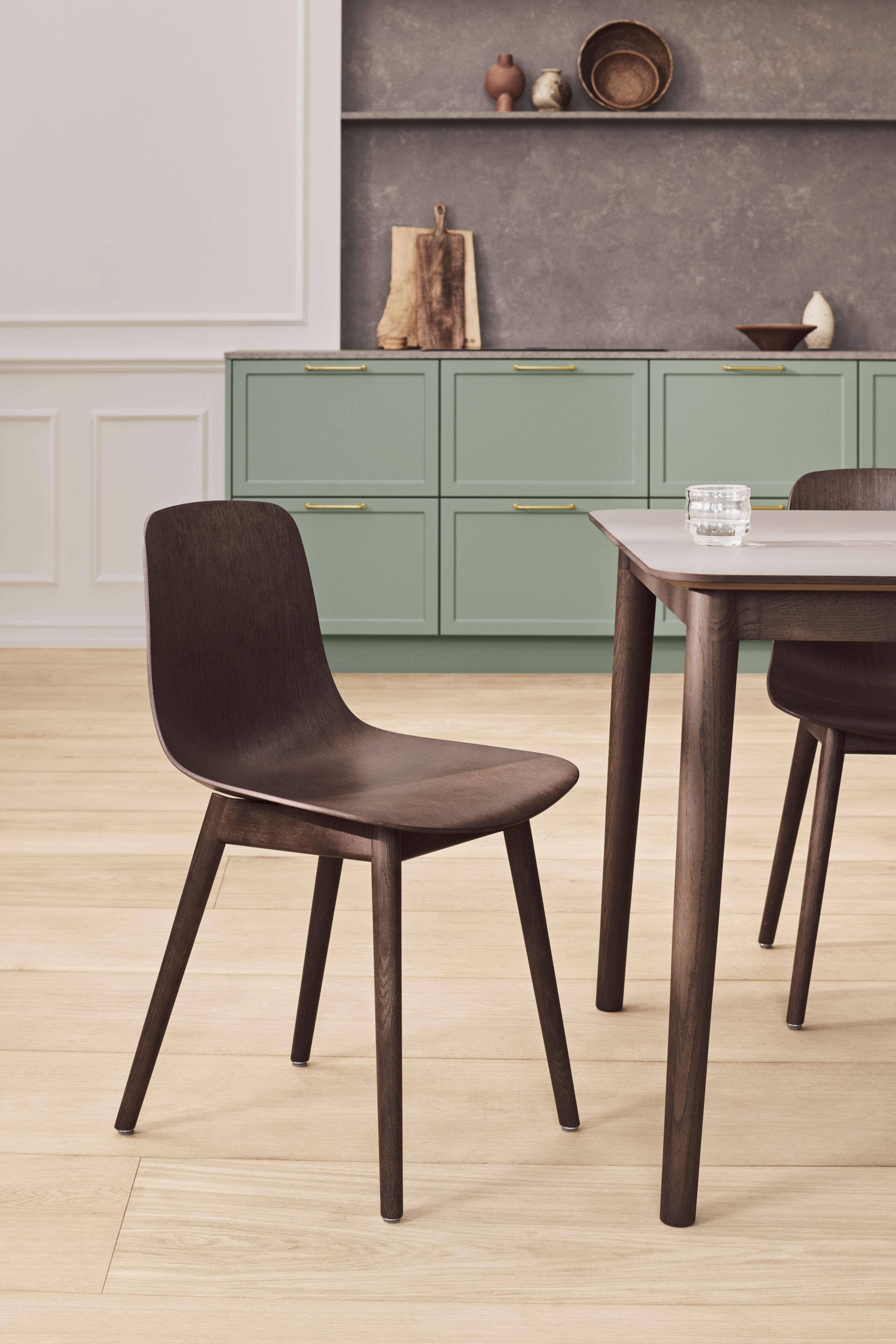
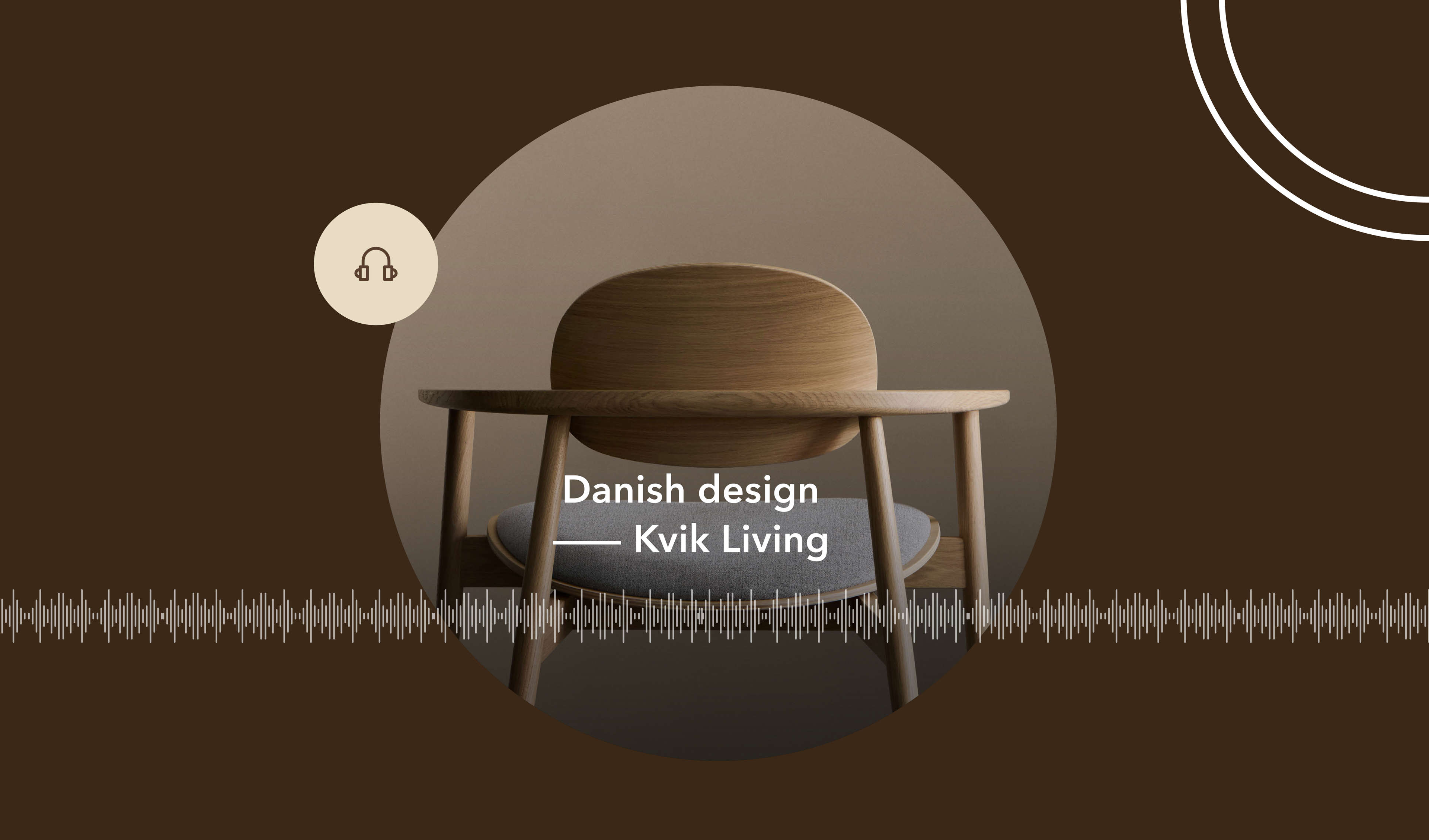
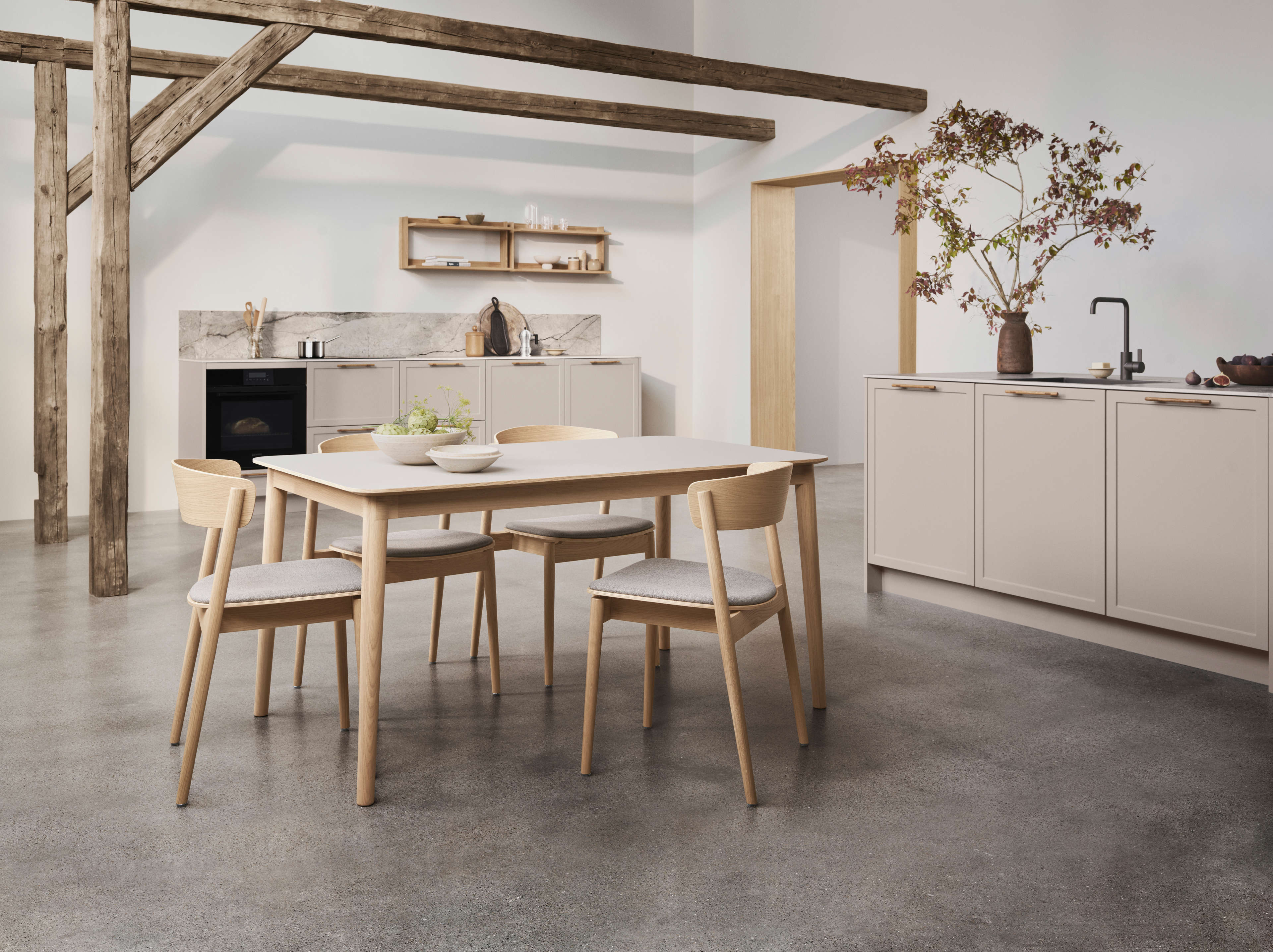
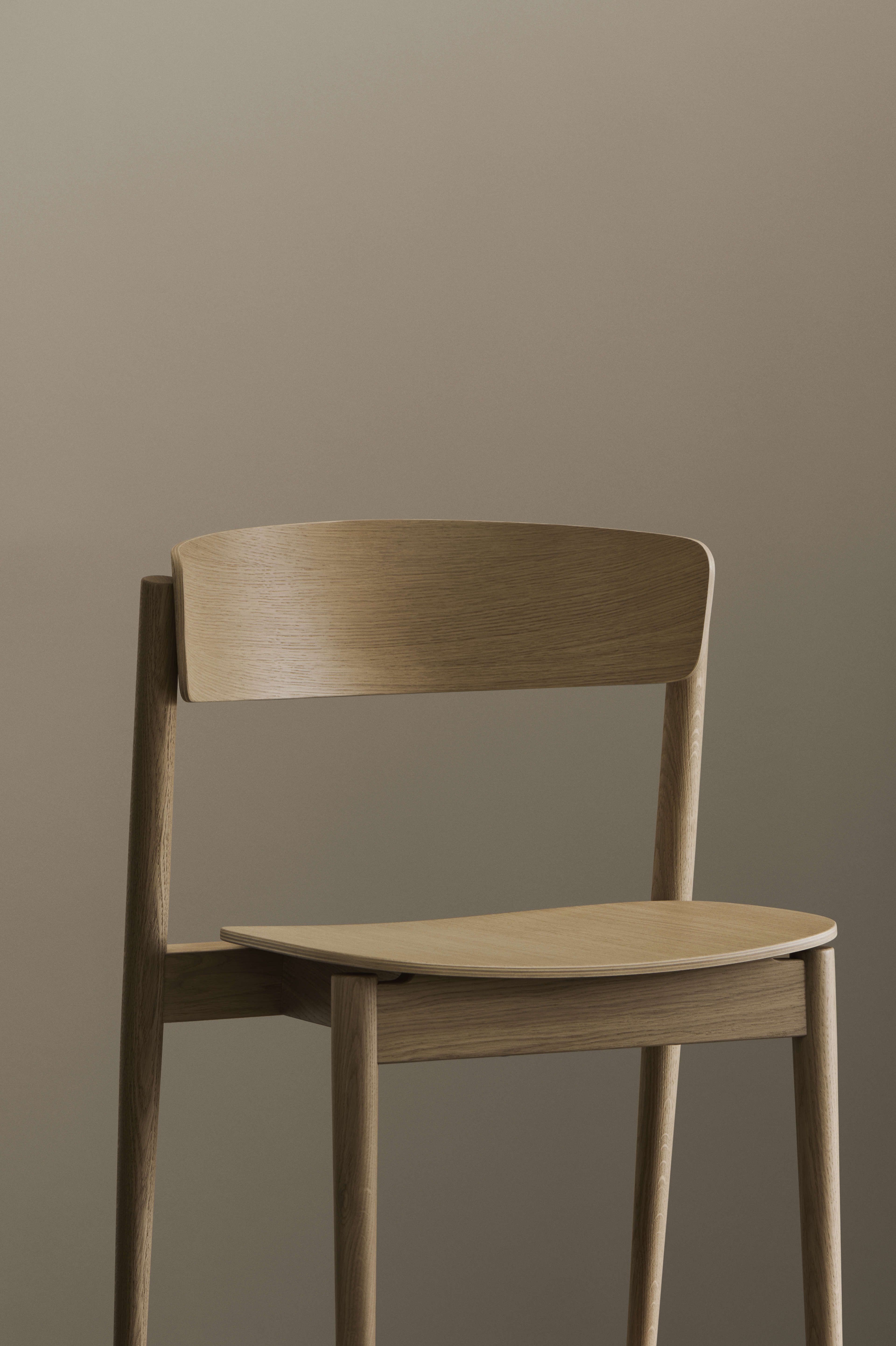
Hans Thyge & Co. designed a dining table that we call The Sociable Table, two different dining chairs - The Sociable Chair and the Shell Chair, and a lounge chair called The Horizon Chair. They all have a minimalistic Danish design aesthetic and while they are different than one another, you can see that they share the same roots and that they are in the same family. That’s exactly what we were looking for.
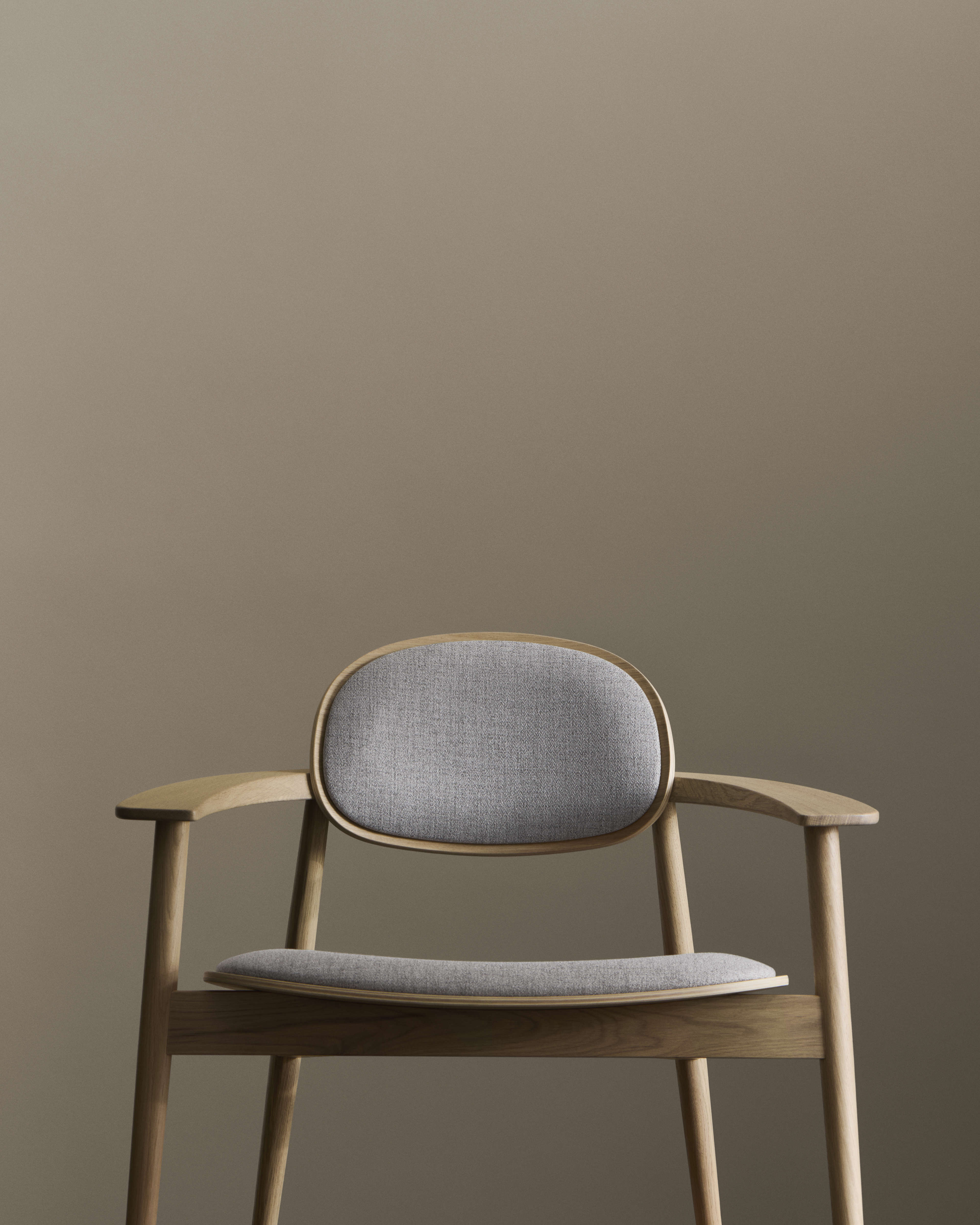
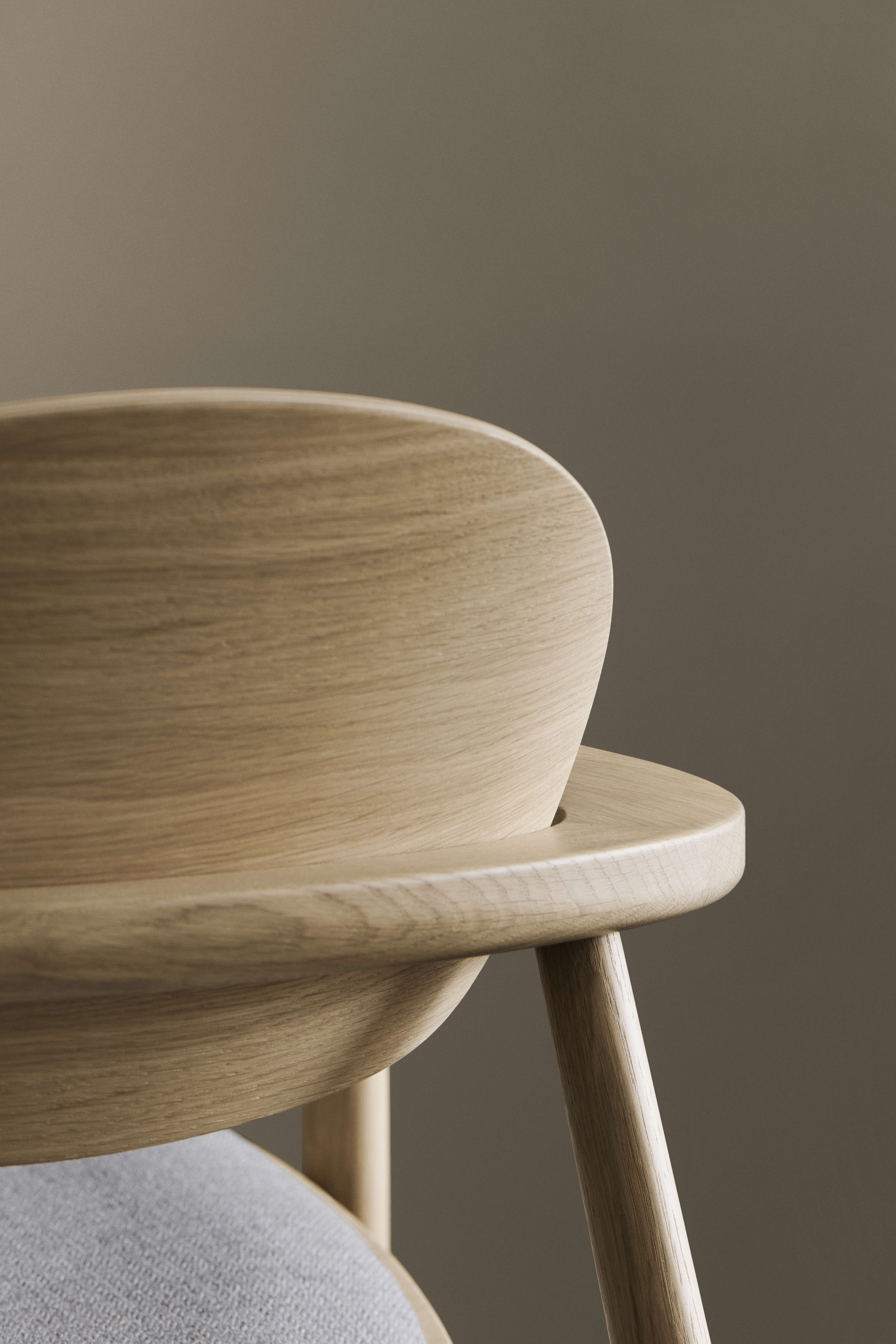
The Horizon Chair
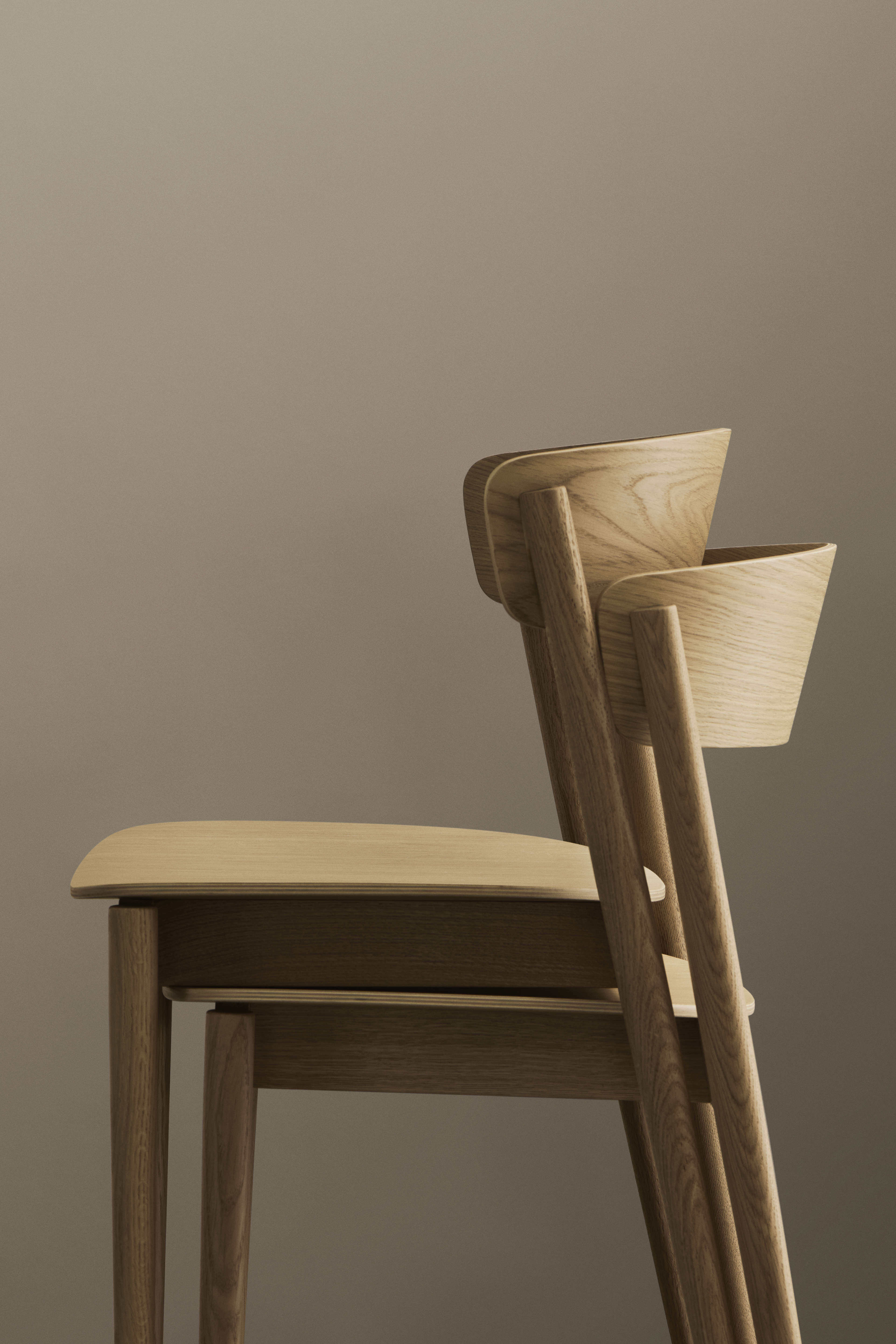
The Sociable Chair
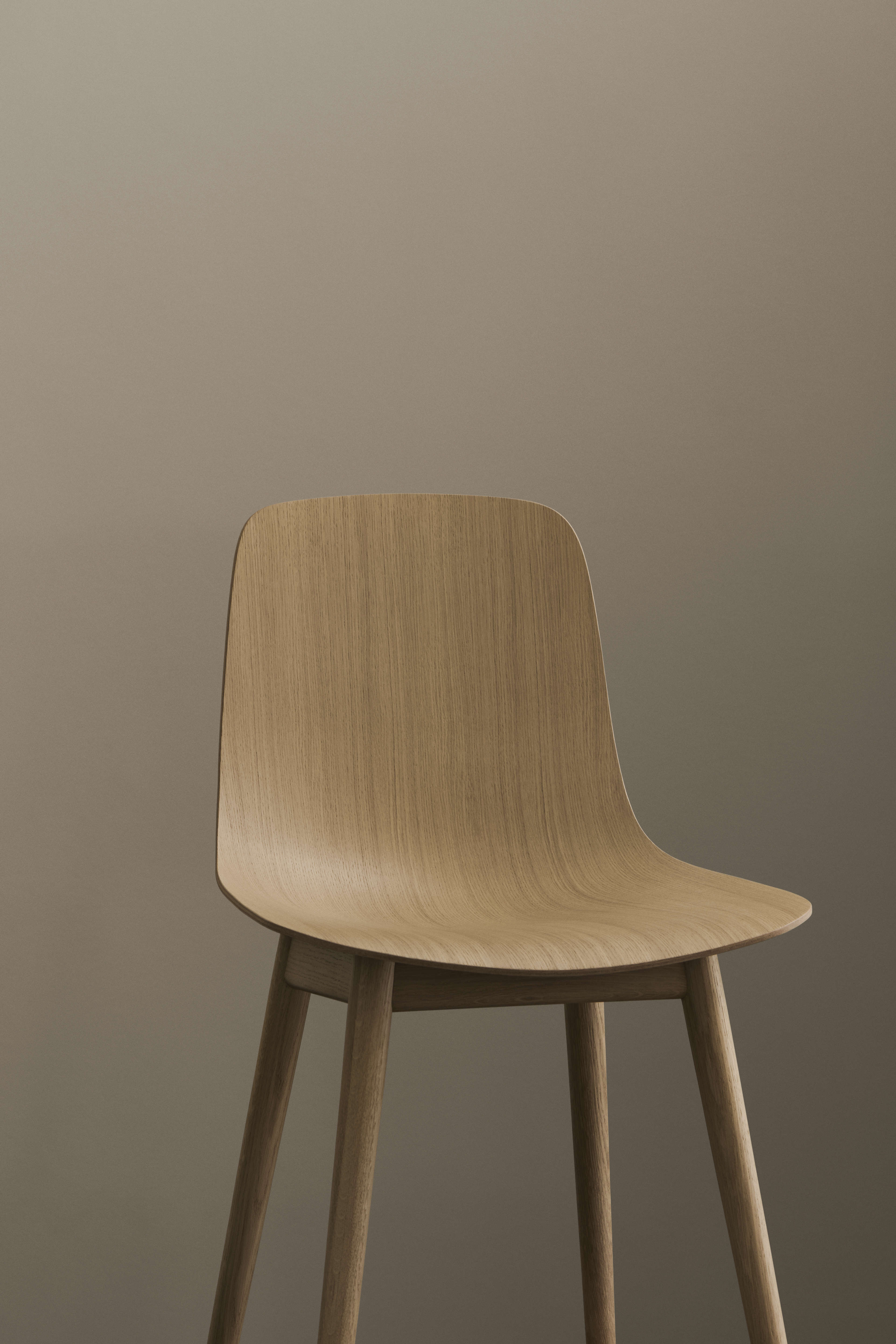
The Shell Chair
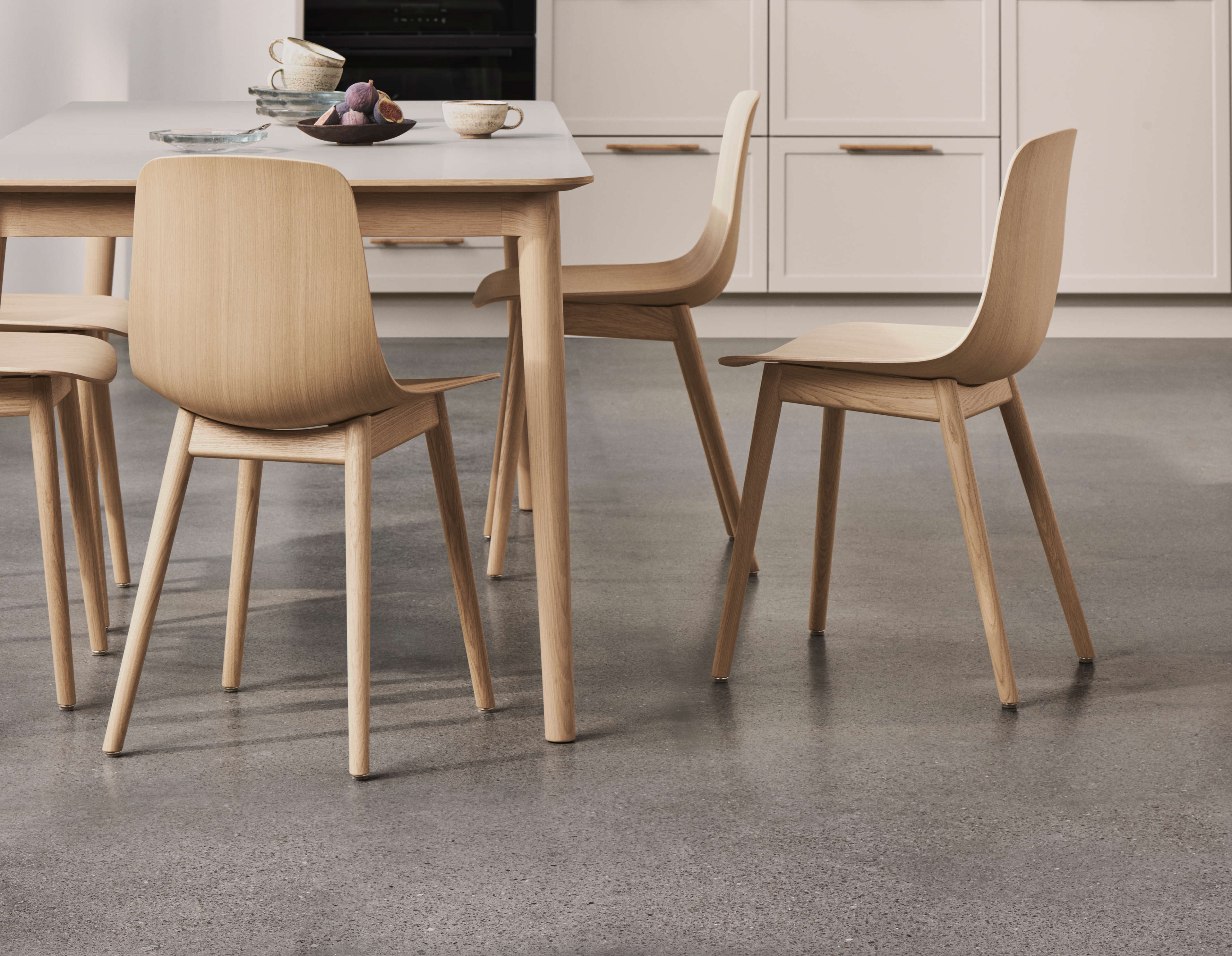
The Sociable Table
The armrest is one piece of a sculpture
Julie: What about the chairs? Was there are. Are there any details on, say the Horizon, the lounge chair, the Horizon chair that you think is really better for all the iterations Or is there detail that you're proud of?
Hans: That was probably the design that came out as it is in the first,
Julie: is that right? Okay. Yeah. Okay. So that one you had a clear picture in your head from the beginning of it.
Hans: Yeah. It wasn't modified. Not that you would see it.
No. That was mostly in proportions and it failed a test and some small modifications.
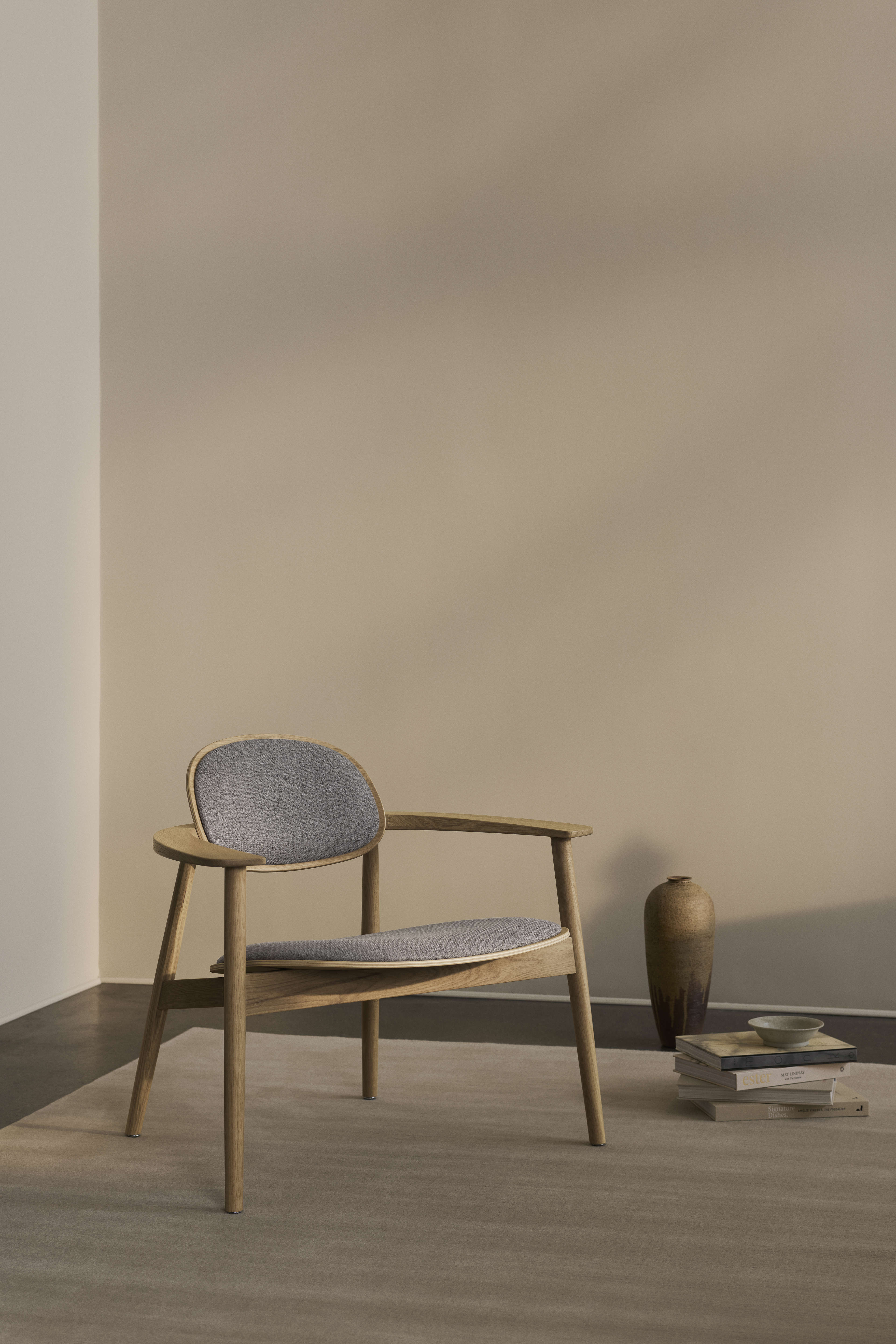
Søren: I think that must be the, for me it must be the armrest, the big curve that makes it the horizon. Exactly. When you see it from the back, it makes this big, wide, low yeah. Yeah. Horizon. Almost looking at a landscape. Yeah. I really like that one.
Julie: Yeah, me too. And the picture that we took of it early on. Yeah. In the straight from the back.
Hans: You've taken some extraordinarily good photos.
Julie: It's such a simple picture and it's, it almost has, it almost sings, I swear. That picture does and don't you think it's because the lines are so right on it? Why is it that it what is it about that I would love to I've actually thought a lot about that one. And what is it that makes it so awesome.
Søren: I think I often refer to cars because that's my big passion — car design. I think it is like cars. It gets more interesting to look at when they're low and wide, the proportion is more interesting on the low and wide furniture. Yeah. And then the armrest where you it's big and wide in the front. You can put a beer on it
Julie: or your glass of wine.
Hans: But also if you. I think the I completely agree with Søren, but you can maybe explain it a little different. The legs and the structure and the shells on the chair, they are super banal. They're super simple. It's a round leg. It's tapered, but it's round. Yeah, it's simple. And the curved seats and back, they're also shit simple. But the armrest is one piece of a sculpture. If you look at it, it's thicker at the back and it tapers out on the front. And if you see it in the bird's eye view, it has a very distinct form which makes it a beautiful piece like a body on a guitar. So it's this sculptural element together with some very down to earth banal elements.
That's what make it vibrates in my eyes. Yeah.
Julie: The combination is just perfect somehow, yeah. It really is. I think it truly deserves to take its place in the Danish design tradition.
Hans: We also have a good feel about it and when people see it in the studio and we have one now, you can, you almost notice when people enter into a room what they recognise and what they look at. And that always catches attention. I.
Julie: Yeah, I believe it.
Hans: And then so there is, there's something emotional that touches your emotions. And good design is about, at first, good design must touch your emotions, catch your emotion, and then it can talk to your brain after. But it must always be in that sequence. If it starts talking to your brain, there's something wrong.
The Shell chair is so simple
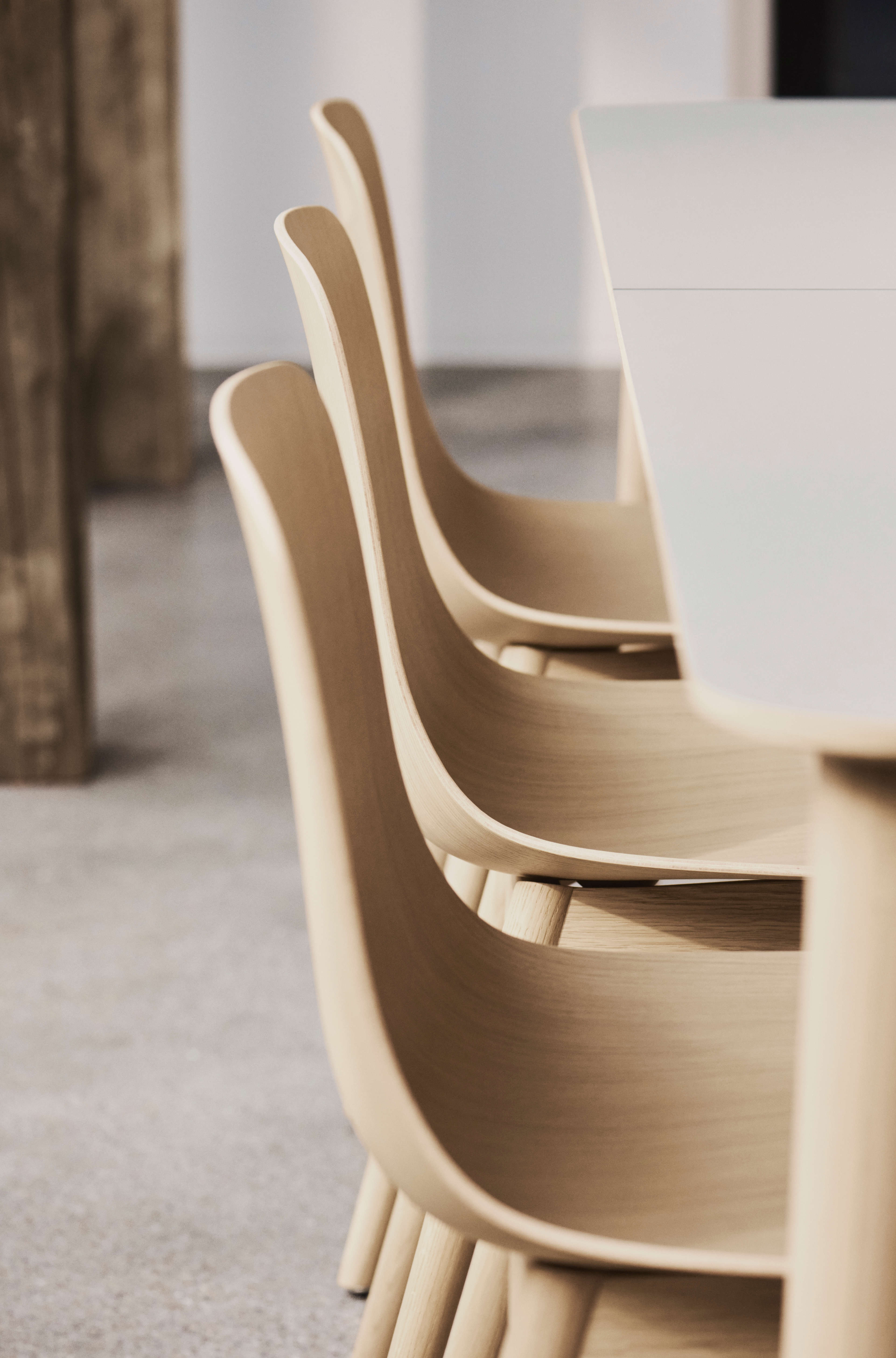
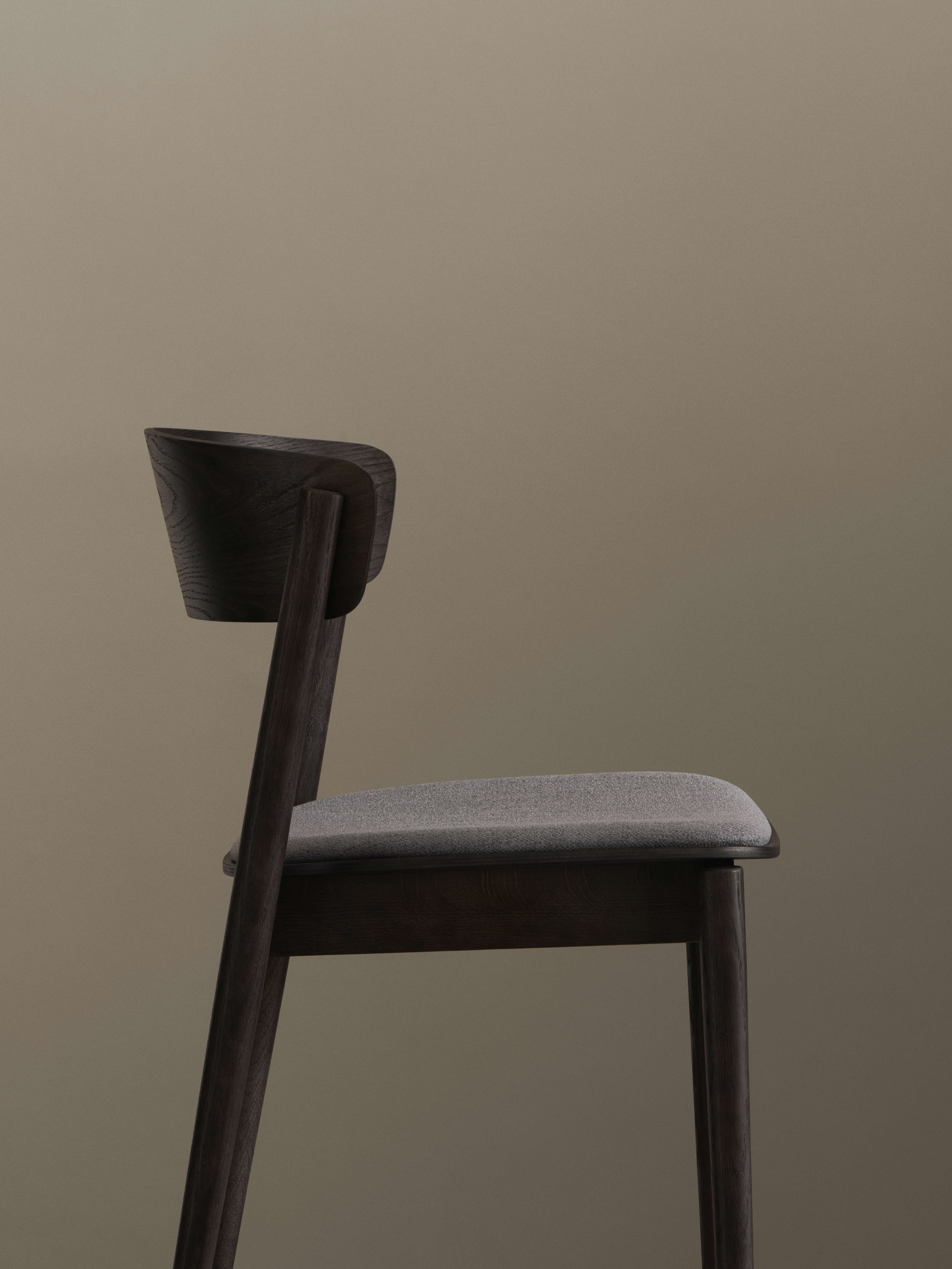
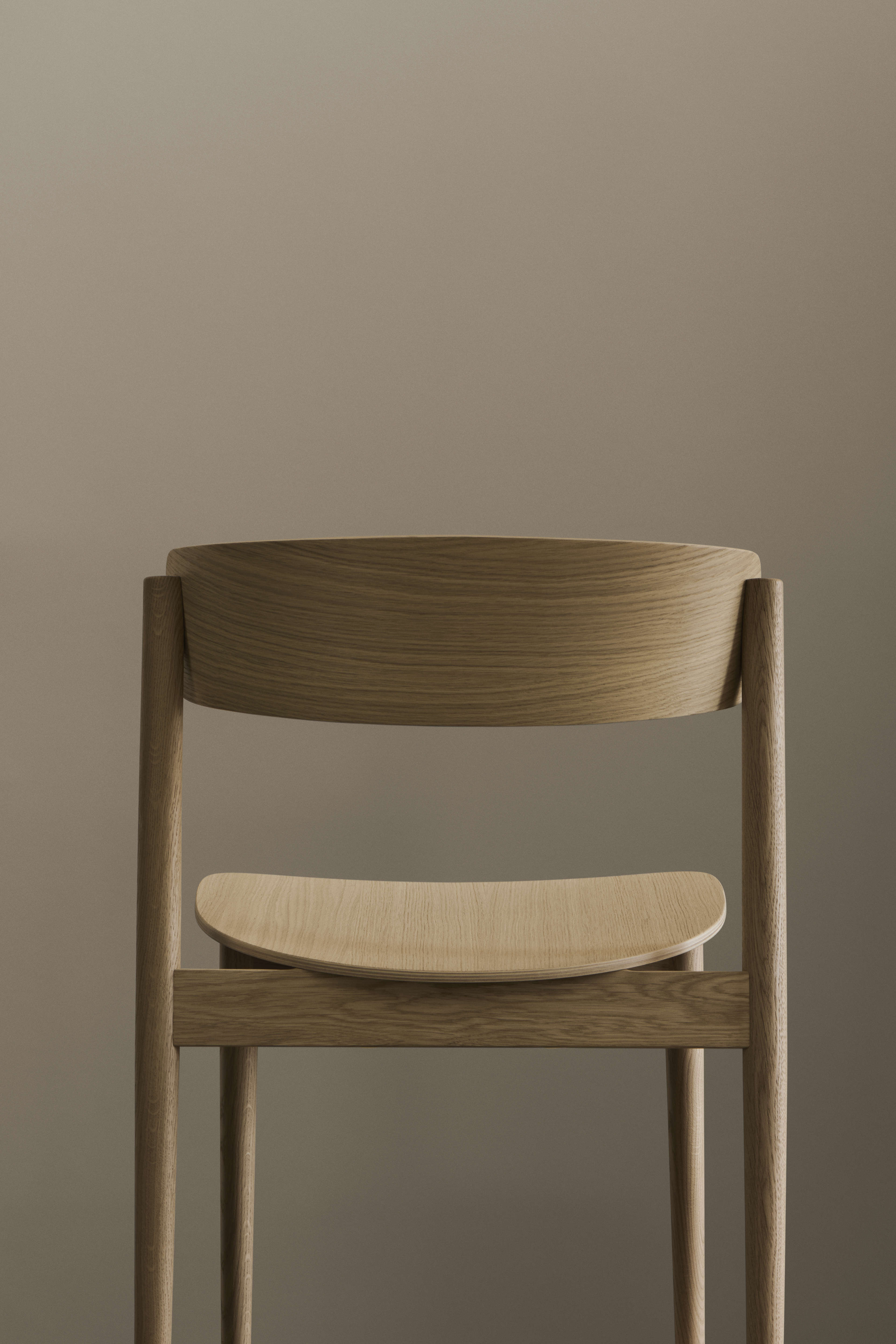
Julie: Clearly The Horizon lounge chair is our favourite, but what about the dining chairs? Hans and Søren did two dining chairs for us - The Sociable Chair, a classic dining chair with a backrest and the Shell Chair, a lightweight bucket-style dining chair. They both come in light oak and dark oak, like our tables.
And this just in - The Sociable Chair was just awarded the Best of Design prize in the Seating Furniture category by Europe’s largest home decor magazine, Schöner Wohnen, so we can now call it an award-winning design! That’s very exciting!
Hans: But I also like the, what is it called? The other one?
Julie: The Sociable chair. And the Shell chair are what they're called.
Hans: The Shell, that's maybe my favourite because it has this sort of it, it's so simple and it's so simple that it's almost nothing. The design, and then with this very thin, vibrant shell that has a very three dimensional form, it's is really intriguing. And I remember that Kvik, for a long time they didn't believe in the project.
Julie: Ah, in the Shell Chair project part of it?
Hans: I think they thought it was too simple. okay. It was too similar to a lot of other chairs. It was, I don't know what
Julie: It is in the sort of, it is in a category of a certain kind of chair, right? The Eames, the bucket.
Hans: Yeah, it's, it is in the bucket chair category. It is very similar to a lot of other chairs, but that's what I like about it, that it has a twist and it is its own.
Julie: I think for me, when I. When I was like, oh, that can really do something, was when we presented it at the annual meeting last year, and we had the long fully-extended table, and we saw, was it five or six along one side, and you see them all together and you're like, oh, that’s w hat it is.
Hans: It really, everybody in the project, they had the same feeling when we saw them together. Because if you put it together with the arm rest chair or the lounge chair. It is obvious that the lounge chair has another level. It expressive. It's more sculptural, it's more emotional.But the Shell chair, when you multiply it, it gets some of the same qualities as the lounge chair has.
Julie: Yes, it does. And it's, it is like legit, surprisingly comfortable. It's very comfortable.
Hans: It grabs you.
Søren: It’s because it's so three dimensional. Yeah. And you're not used to veneer chairs being that three dimensional,
Hans: Because they're impossible to manufacture in normal veneer. So they're manufactured with a very special technique that only one company in the world has the right to do. So you get the feeling of a plywood chair and you merge it with a feeling of a plastic chair with a thin shell. You get the two qualities together in one shell. And that's what I think is interesting about that chair. Yeah. And then you get, and it gets, and then when you line them up at your dining table, it just looks really good.
Hans: You can take it with one hand, as Søren says,
Søren: It’s super light.
Julie: Naturally, in any design process, the focus is on the materials. In Kvik, we are on a sustainability journey and so we are always looking to use recycled materials if we can, and at the every least, any wood we use must be FSC or PEFC certified. This ensures that the wood that’s used in our products is verified to be from sources which practice ethical forestry — like replanting trees to replace those that are cut down and paying workers a fair wage.
In designing these chairs was, were you thinking, of course, you were thinking about the materials. And were you thinking about like the circularity of it? We're not really allowed to talk about the word sustainability without being really specific anymore, but were there some sustainability considerations in the designs that you did?
Or does that just come automatically in a way, because we are using FSC certified wood, we're creating designs that will last for many years. So you hope you pass them down to your children and that's another way of being sustainable. Is making a good quality…
Søren: think that is a big part of all the products we did.
Choosing the right materials that would stay forever almost. But then for example, on the Sociable dining chair, we made the seat so it's super easy to take apart and if it breaks or if you want another colour on the fabric, you can super easily change that. Yeah. And then solid wood just ages very well. And it’s beautiful.
Hans: Super severe testing. So we need we know things last and easy to repair and I think, sustainability, when you do solid wood furniture is not up on the first priority because if you do good design and you use natural materials, I mean you have always already come 90% of the road. But we have worked on these details as some answers to get some other good points on that agenda.
Julie: Yeah. Because of course any dining chair, you, it could get something spilled on it and you need to, you can't get it clean if it has an upholstered seat. So being able to switch that out is important. If they can, if people can do it themselves or easily, it can easily be done.
Hans: Yeah. But it will vary from all the new designs that comes in the following years. Some might tap more directly into a sustainable agenda and others more indirect but the indirect can be as important as the more evident case.
When we work with design it's always there somehow. It's not…sustainability is not something you apply to a design in the last minute. If you don't start thinking about it in the beginning, it doesn't get integrated in the right way in what you're doing.
Julie: Is it just something that “of course we think it in from the beginning” or of course we want it to be sustainable materials or is it but it more conscious than that?
Hans: But it's just if you want to do a comfortable chair, you don't design a chair and then five minutes to 10 you think, ah, I also need to do a comfortable chair. If you want to do a comfortable chair, you think that from the beginning you work with ergonomic aspects all the way from the beginning. Then when Søren starts to design it. We have some center lines, we have angles, we have a lot of experience. We built into it, to make it comfortable.
And that's the same with the sustainable agenda.
Assembled or knock-down?
Hans: We also worked on some aspects of the chairs doing it "knocked down" and that was on the Sociable chair and then we dropped that.
Ah, yeah. So people would assemble it themselves. We dropped that in end because the advantages versus the benefits or the bad sides of it was discussable.
And then there was a whole issue about people mounting it, screws that can get loose and the customer experience over time, having a thing that is assembled because knock-down chairs are a very difficult topic. But we worked with it for a long time. And then we took a decision to have them assembled. It's just to say that it was in our mindset that we started out trying to do it disassembled, but the arguments not doing it was too strong.
Julie: Just to explain a little bit - a “knock-down chair” is an industry term for a chair that would come flat-packed the customer would have to assemble it themselves. How an item will be packaged is, of course, part of the design process. There are always many considerations that go into every decision. We decided to ship our chairs already assembled because we determined that it made them better and more stable. Ultimately, we want our customers to be happy and enjoy their new chair for many years to come. Having it come assembled is part of that.
We can give a chair the same feeling as your kitchen
Julie: Did you always have the kitchen in mind or the atmosphere in which the chairs would be, or the room or even like a lifestyle around it. Was that a factor or was it really focused on the chairs?
Hans: I personally looked a lot in the Kvik catalogs and it was good to be in the showroom at Kvik.
To have a feeling of this kind of simple but nice approach that Kvik has design in kitchens? So I think somehow I had this or we talked about idea of creating things that needed to be very simple and then this kind of daily use hard use.
You should be able to throw around the chairs and the children's birthday parties and the average life. It's not fancy design stuff. You can use them and they're tested to really severe use and I think that feeling came from how we see Kvik.
Julie: Yeah. Yeah. Or even how you see the kitchen as a room or Kvik specifically.
Hans: The table should be very stable and you can use it for all kind sof things and it'll last for years. And that feeling I think was the main, I don't know. Do you agree?
Søren: Yeah. You want them to add like a new dimension to the kitchen, but still make them look like they were made, at the same time, or together with the kitchens. Yeah.
Hans: I think Kvik had this, or I don't think I, I know that Kvik had this idea that we could design loose furniture that looked more like their kitchens.
And that was we had a long discussion about that where we said, but a chair. we cannot make that look like your kitchen, but we can give it the same feeling and the same approach as your kitchen .
Søren: That would be a very uncomfortable chair.
You need to feel if it feels right
Hans: that was why we tried to build in these metal features that related more directly to the handles and the hinges and some other elements in the kitchen. That was our response in the beginning because we felt that Kvik had this idea that they could relate one-to-one to the kitchens, but they also realised when the first prototypes started popping out that's not an issue.
That's not the important issue. No. That's the emotional feeling when you see the things. Do they feel right in your kitchen? And that's why we said we need to do prototypes because in the beginning, Christian, he wanted to, yeah, do some more sketching and renderings and we did endless renderings and in the end we said…I knocked on the table and I said, we need to do this.
Julie: We need to sit in some of these chairs.
Hans: Yeah, we need to do some prototypes because you need to take the prototypes and put them in your showroom and see how, and then you walk into the showroom and you say, is that a kitchen? Is that a Kvik chair or is it not a Kvik chair?
Again, you cannot do it with your brain.
You need to feel if it feels right.
When we started to do prototypes, I think they realised that it was a crucial element.
Julie: I definitely think it landed there where they do feel like Kvik furniture in the best way.
Julie: So, what’s next? We asked Hans and Søren if they are working on more furniture for Kvik.
Hans: The whole next phase now is to understand what the Kvik consumer would like to buy in a Kvik shop. Because if a Kvik consumer doesn't want to buy shelving systems in a kitchen shop, it's irrelevant to create that kind of design. And I like the idea that Kvik has, that Kvik Living is not a furniture store.
It's not a brand like Hay or &Tradition or all the other brands? It's a brand where they have a limited choice of nice design that rotates around the kitchen. That's a completely different story.
Julie: It’s so interesting to think about the way in which the items we choose for our homes tell a story…or many stories, about who we are and how we want the world to see us. And how we want to live our lives. It comes down to the feelings our things create.
What feeling do you think this furniture creates for people? What feeling have you been going for? You talked about the emotions. Is there a feeling?
Hans: If good design is a very complex thing and it needs to have nice surfaces and nice tactile experience. Could be a nice wood. It needs to have sculptural elements that talk to our emotions and then. The last thing and maybe the most important thing is proportion. Proportion. If you look at a house, if the proportions are not right, it can have all the nicest windows and details in the world. It still looks like shit and it the same rules counts for furniture. Many furniture have good ideas. But the execution and the proportions are not there. And in these all the things we've done for Kvik, we have been working so heavily on proportions. We had changed the diameter on a leg from 34 to 32.
And it sounds like nothing.
Julie: But it makes all the difference to your eye.
Hans: The difference is in the detail. The devil sits in the detail. And that's why these things, I believe these things are very strong because they are reworked and reworked and we have worked on all elements, proportions, detailing surfaces, everything together.
Good design should be nice to touch
Julie: Are there any of those small details that you hope that people who take it home and have it in their home will notice and enjoy? Like he table detail. The way it joins. Yeah. Maybe they don't even consciously think about it. Do you think, there's something unconscious as well, right? You just, you maybe. You maybe find yourself rubbing, running your hand over the curve of the…
Hans: With many good designs, if you ask people, why do we like that design? They can't put two words together on it. It's on the instinctual, emotional level. They know the problem for them, and that's because it works on an emotional level.
Søren: Yeah. But it is about, also about touching as you just said. That was why we did the armrest on the horizon chair. It's soft underneath because that's where you touch, when you move the chair around you feel underneath it. And it's just nice to touch and it's a big part of it. And the same with the table. It's nice to touch and feel. Yeah.
Hans: I read an article in a newspaper some months ago, some scientist, I don't remember where. They have found out that the emotion of the touch emotion, I don't know what's called...the sense of touch.
A sense, a human sense that's heavily underestimated. That is actually one of the most important senses we have. And that's, wow yoo hoo that underlines importance of design. It's everything around us.
Julie: The study Hans referred to was done by Harvard Medical School. Dr. David Ginty, who led the study says, “People can live without vision or hearing, but there’s no way to survive without touch. It’s the sense that allows us to interact with the world directly, and it governs all aspects of our lives.” Overall, there’s a growing interest in the importance of our sense of touch.
So much of what we appreciate about design is how it makes us feel.
Hans: One of the most interesting modern designs in cars. That's actually the Mini by BMW. But why that takes up an old design.
Julie: Yeah. Yeah. It's retro. It's retro and cute
Hans: Yeah. It's retro. That's why it's interesting. And now Renault comes with a new Renault five that became the Car of the Year. It also takes up an old design, but does that mean that there's no more new ideas? Yeah, probably.
Julie: I can't believe that,
Hans: But that's interesting to think about.
The ID bus also came out. That's the most that's one of the nicest car designs that's also a rip off.
Julie: It is. Yeah. At least they're ripping off themselves.
Hans: But I think they do it in a very interesting way. No I'd rip off if you do it intelligently. And all the furniture we did for Kvik, we haven't invented anything. No. It's all the old historic design. They're there.
Julie: It's four legs and a seat.
Hans: But we have given it a modern twist and we have given an interpretation into the time we are living in. And if you don't do that, it's not interesting.
Julie: We definitely think that the designs Hans and Søren did for Kvik are interesting and we hope you will too.
That’s it for this episode of The Sociable Kitchen® podcast. Thank you to Hans Thyge and Søren Stellfeld, of Hans Thyge & Co, for sitting down with us to talk about the furniture you did for Kvik Living.
We’ll be at 3DaysofDesign 2025 in Copenhagen, June 18-20. Stop by and try out our Horizon chair and have a chat with us about Danish design. We think good design is for everyone.
Thank you for listening! Please subscribe wherever you listen to podcasts.
This episode was produced by me, Julie Broberg, with help from sound engineer Magnus Vad at Feedback Studio in the old meatpacking district near the harbour in Aarhus.