What happens when two design houses share the same belief — that great design should be for everyone?
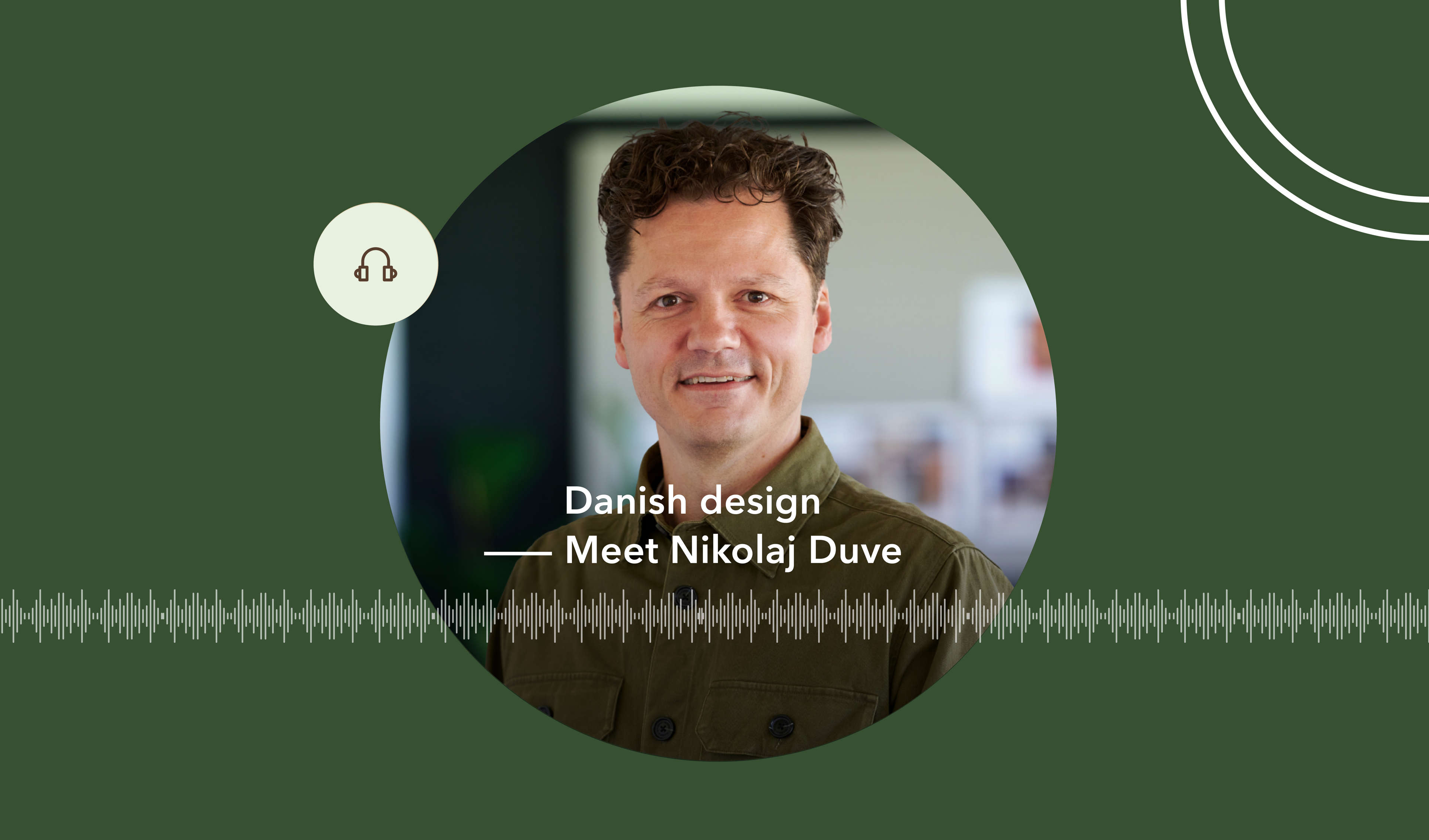
In this episode of The Sociable Kitchen® Podcast, host Julie Broberg talks with Nikolaj Duve, industrial designer and co-founder of Says Who, the Danish design studio behind Kvik’s Ombra and Corisa kitchens — and now part of the Kvik Living furniture and lighting collection.
Nikolaj shares how the partnership between Kvik and Says Who began, the process of creating new design classics like Ombra and Corisa, and how they’re rethinking what Danish design means today. He also dives into how AI is changing creativity, helping designers imagine beyond limits — and why balance, simplicity, and honesty still sit at the heart of everything they make.
From kitchens to furniture to the future of design — this episode is a deep dive into how timeless Danish values continue to evolve.
This page is a transcript of the episode.
Danish design — meet Nikolaj Duve
Welcome to The Sociable Kitchen®, a podcast by Kvik. I’m Julie Broberg. We’re fortunate to have Nikolaj Duve, industrial designer and co-founder of Danish design firm Says Who, in the studio.
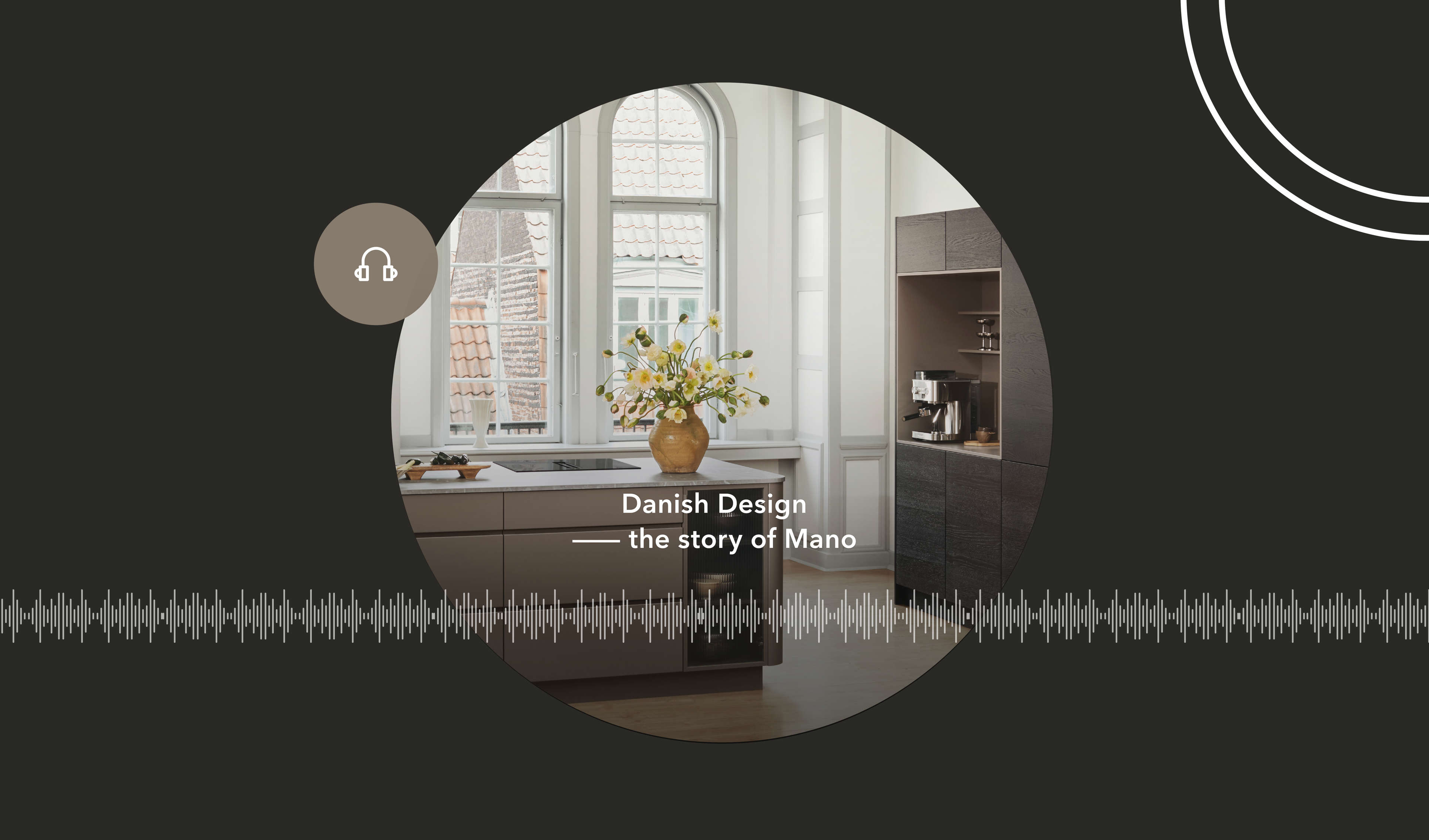
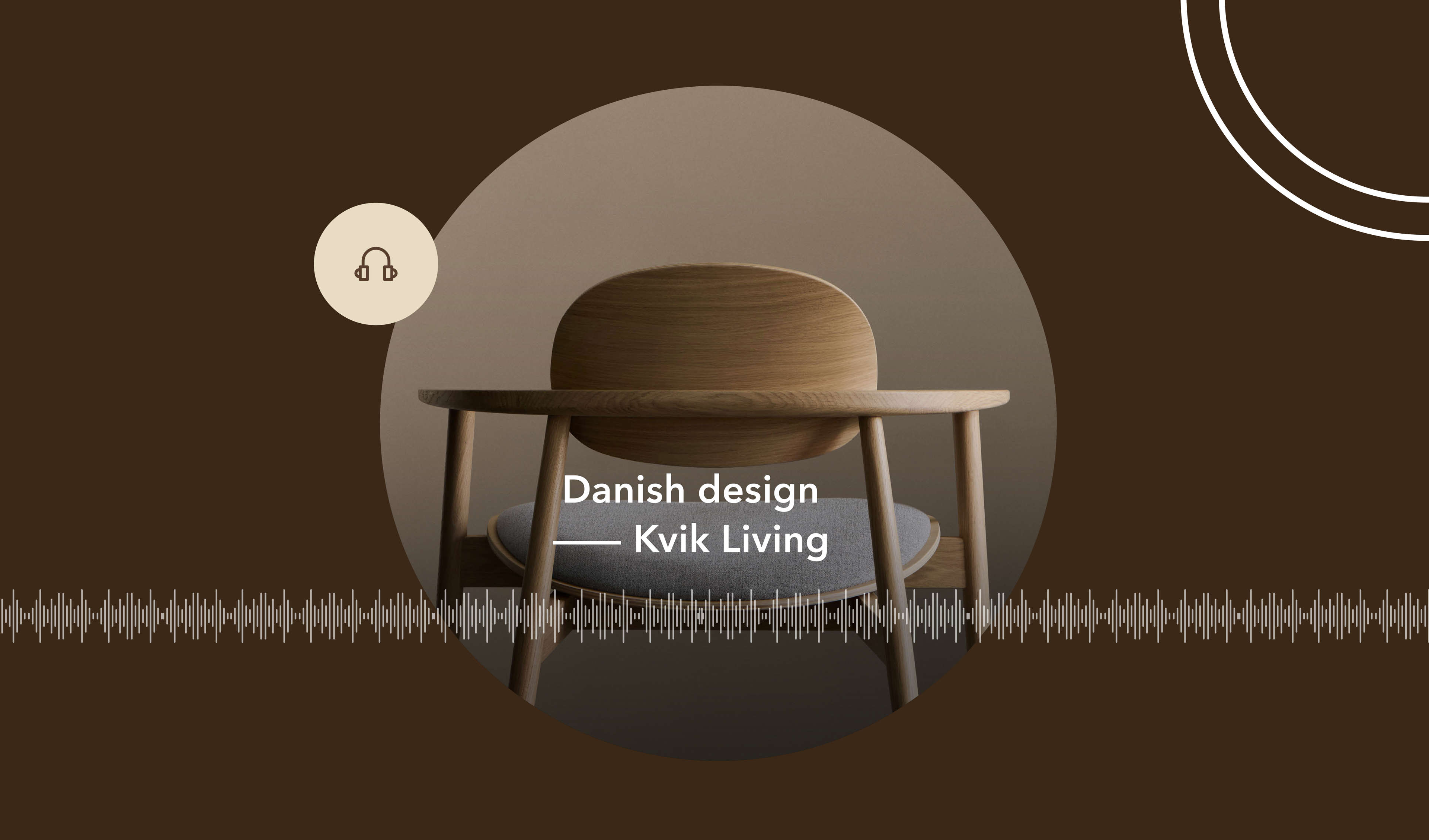
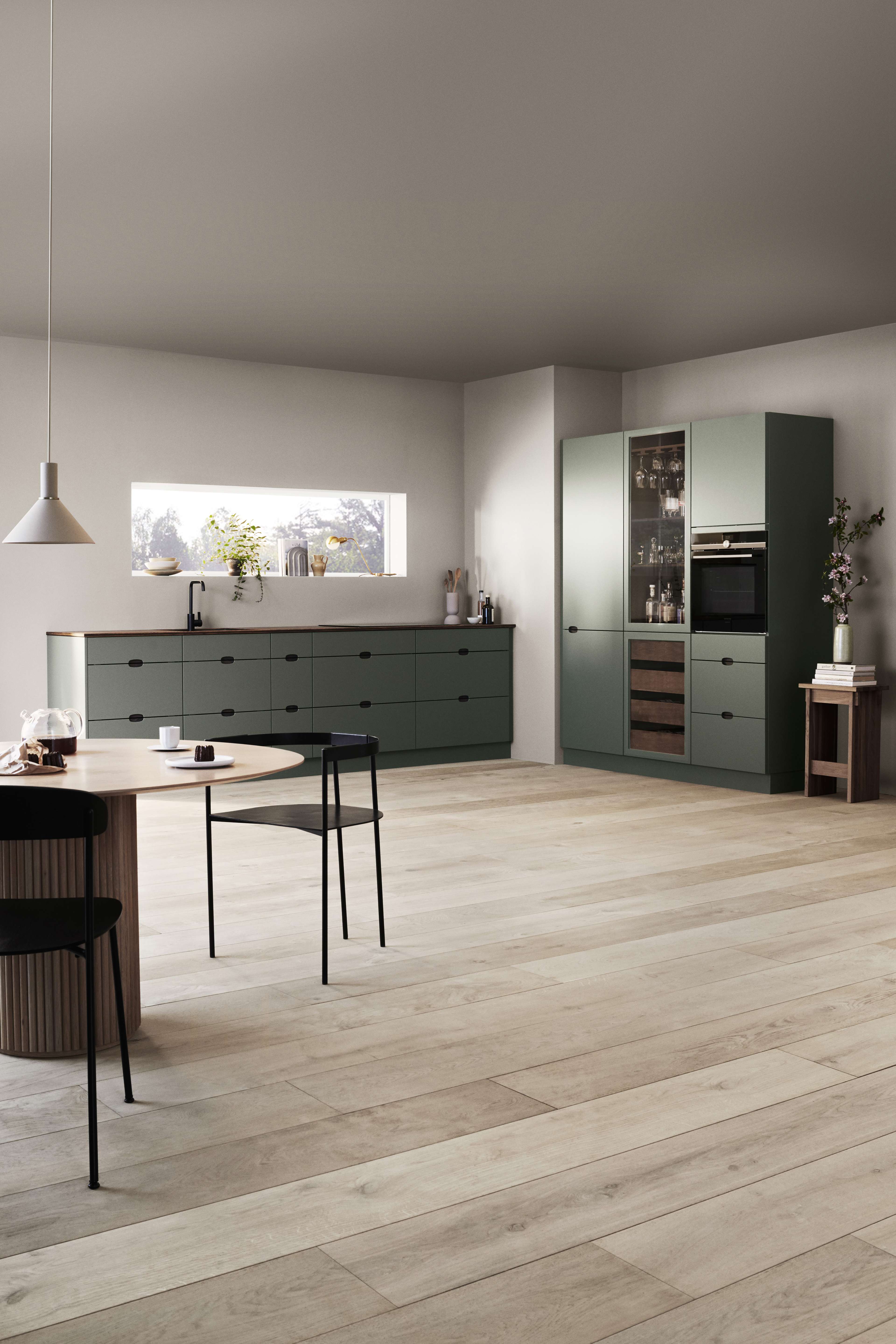
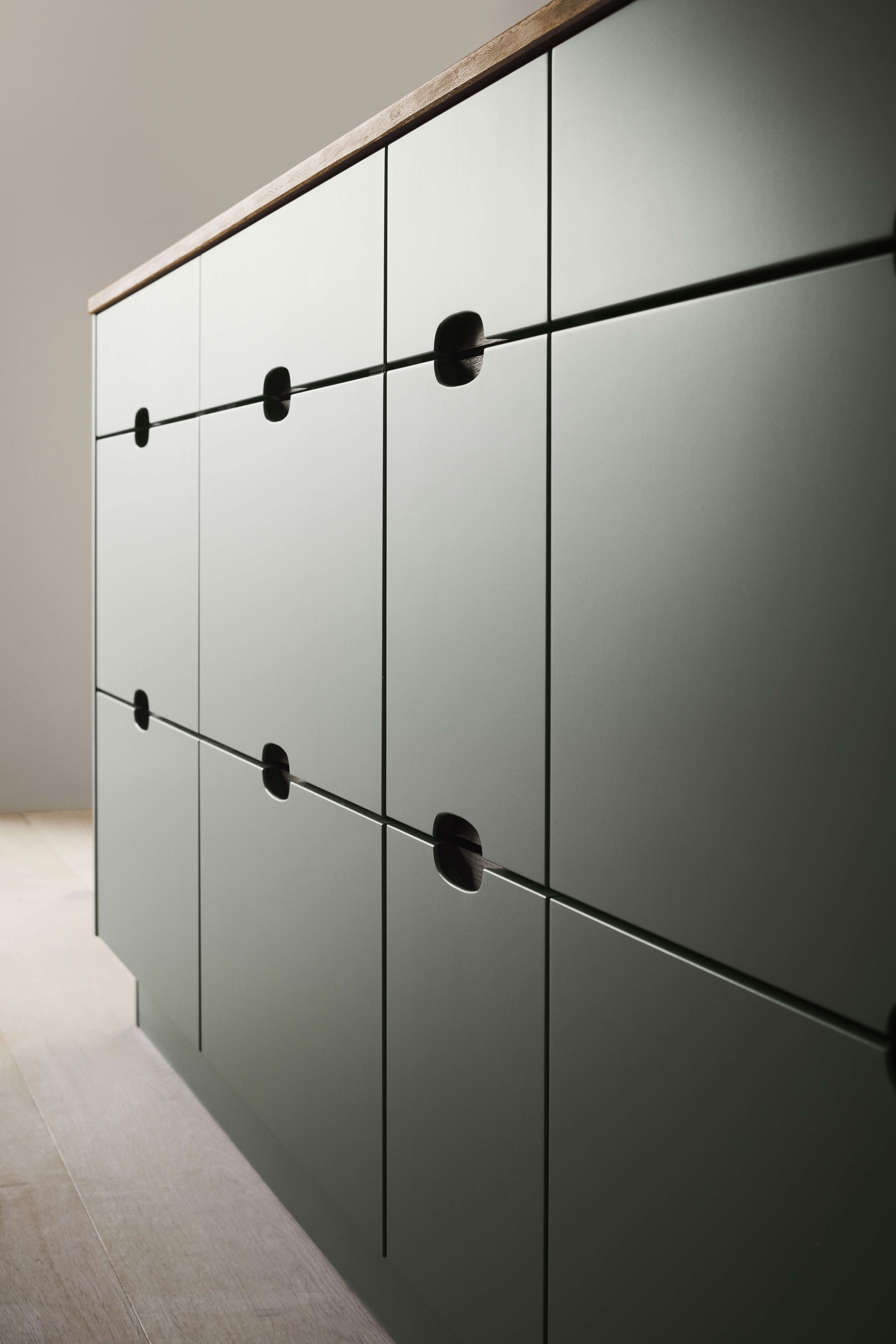
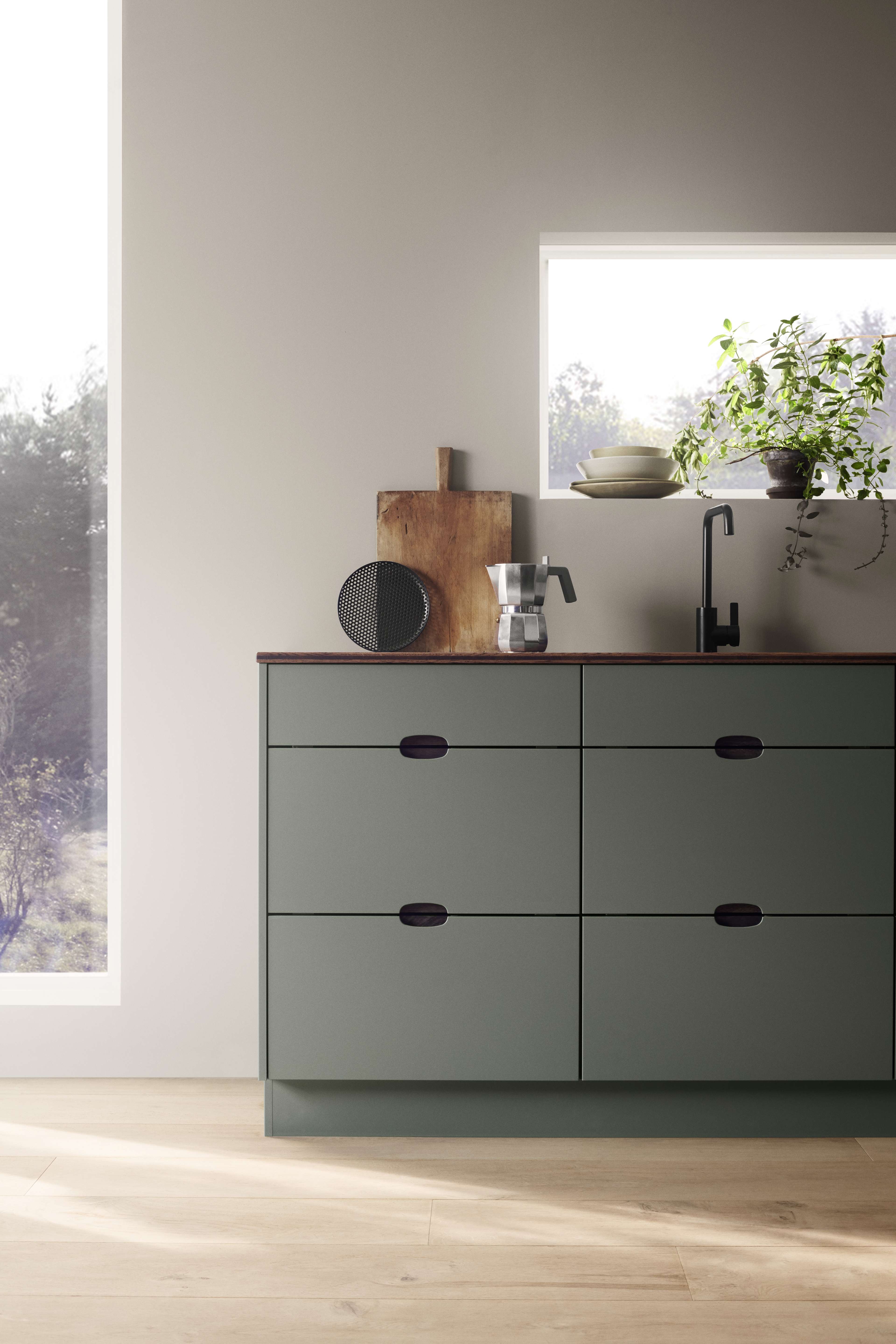
We’ve been working with Says Who for a number of years now. They designed our popular green Ombra kitchen with the distinctive rounded handles, which we introduced back in 2020. They also did Corisa, our oak veneer kitchen with luxurious vertical slats. And they’ve produced the first items for our Kvik Living line - two barstools. They’re currently hard at work finalising some kitchen furniture for small living which will launch later in 2026.
As you can gather, our partnership has some history. I asked Nikolaj how the relationship has evolved over time.
How do you make a new classic?
Nikolaj: Big question. I guess over time it's changed for the better, I would say. Like, initially when we did the Ombra, as it always is when you meet new people, you try to gain a certain amount of understanding of what they do and what their business is like, and who are the people who are instrumental in creating stuff in that particular organization.
Julie: Had you done a kitchen before you did Ombra?
Nikolaj: No, no, no. Ombra was the initial one. We've had talks with Kvik in, in the past, but there came a time where we felt ready to take on that task. And that was also a learning curve for us, I guess for Kvik as well.
Doing a new kitchen, it seems simple, I guess, at the end, but the process through it is quite complex. There's, like, constraints in a different way. You get to learn that along the way as well. Yeah ... because it started out being really, like, really a nice process of us trying to push new ideas and takes based on some ideas that Kvik had around the Sociable Kitchen® and what it could be, challenging that as well.
So there was a really big initial process of trying to see if we can either deepen or widen the understanding of the Sociable Kitchen® aspect.
Julie: How did you approach that? The essence is...the sink is in the island.
Nikolaj: How do you make a new classic? There's not really any recipe for it. But we do as we always do at our company, try to really research a lot and try to understand, like... So the Sociable Kitchen® in its own right has become a thing, but it's also at a point now where it's not a thing anymore. It's just how kitchens are right? So trying to see what created that. How did that come to be? And how can we build on that in terms of either expanding that sort of philosophy, or is the kitchen changing to something completely different?
So we did a lot of researching on that, like parallel with that, sketching ideas, trying to come up with sort of visual plots on what it means to be in the kitchen, right? I remember a lot about scenarios we did. So if it's a family, how do they use a kitchen? Does that sort of reveal any new patterns or takes or preferences?
Because the social kitchen, I guess to some extent, came out of the kitchen being a stalemate kind of function. A separate room. And you open up this room and you have everyone there together. It was just a separate room, and then it became integrated and a social room.
But it was, I think it was more, uh, trying to understand what the social aspect has evolved to, 'cause now there are many situations going on. So it's not just being together. That's more of an umbrella take on it. Like, underneath of that, there's a myriad of different..
A kitchen is not like normal furniture
Julie: People are living in the kitchen, right?
Nikolaj: And people have different kind of relationships from… it's just not a classic four or five-person family anymore. It's a whole variety of different stories going on. So long story fairly short was that we tried to capture all of those stories in different ideas of what the kitchen could or should do, and we came up with so many really strange ideas.
But all sketched in good faith and in, in the belief that there is something to be gained in trying to more deeply understand how we use the kitchen. And then like back to what you said, told earlier, that there then comes the understanding of the complexity of actually making a kitchen, right?
It has certain dimensions and it's built in. It's not like normal furniture. It’s a system, and you have to work with that. Or else it's gonna be uphill. And there's also a DNA and a philosophy in Kvik in terms of a price point they want to be in.
And the balance between design and price and mass producing. And creating affordability for the many and not the few. So I guess it was a funnel, right? Starting really honestly, deeply, almost like blue-eyed approach to, I guess, everything is possible. And then slowly gaining an understanding and sort of slowly narrowing it in —what titanic kind of ship you're trying to steer in a new direction.
And Kvik was amazing in this process 'cause they know a lot about that. And so we really got a kitchen education through that process. So it was more of a funnel process to getting to a point and distilling, like, the ideas and slowly condensing, like, big ideas into, “hmm, there's a limit to how much we can influence, but how does that translate into sort of product design?” Uh, I don't know, like handles into a physicality thing. Because one thing is talking about motion and interaction and feelings, but how does that translate into a physical something? Like, what facilitates that? Yeah. So they were like just going like this, and the better we got to understand how a kitchen works, the so many, like, optimal constructions and how do we get the most out of, of the handles and how do we combine them and modularity. There's a, there's a lot underneath the surface of a pretty kitchen.
So that, that ended up in, in both the sustainable part which Kvik pushed a lot for, which just made a lot of sense at the time. And then for, on our side, trying to get nature in there as well as a handle, and then the softness and having something new as well.
Of course, also being aware of what the assortment is looking like and where we could push it. So all of that sort of, in a fuzzy process, ended up in, in actually the Ombra kitchen, with all its might and glory, and it came out good. Yeah. Yeah
Julie: And then it happened to coincide with COVID where then everyone was at home in their old kitchen... sitting there going, "We need a new kitchen." The timing was really good. And then came the Corisa. Did Corisa come in those initial sketchings? Was it actually like a secondary idea that you would've gone with?
Nikolaj: No. It was new, a completely separate brainstorm. There were some some dialogues back and forth. Yeah. And then I can't remember exactly, but at one point the idea of maybe we should investigate a new success, what could that be? At that time, we had a different understanding of what makes a kitchen coming Ombra, right? So the process was more figuring out what style or what texture or what look- Yeah ... can we, we work with knowing what we know now in terms of working with the system and the modularity.
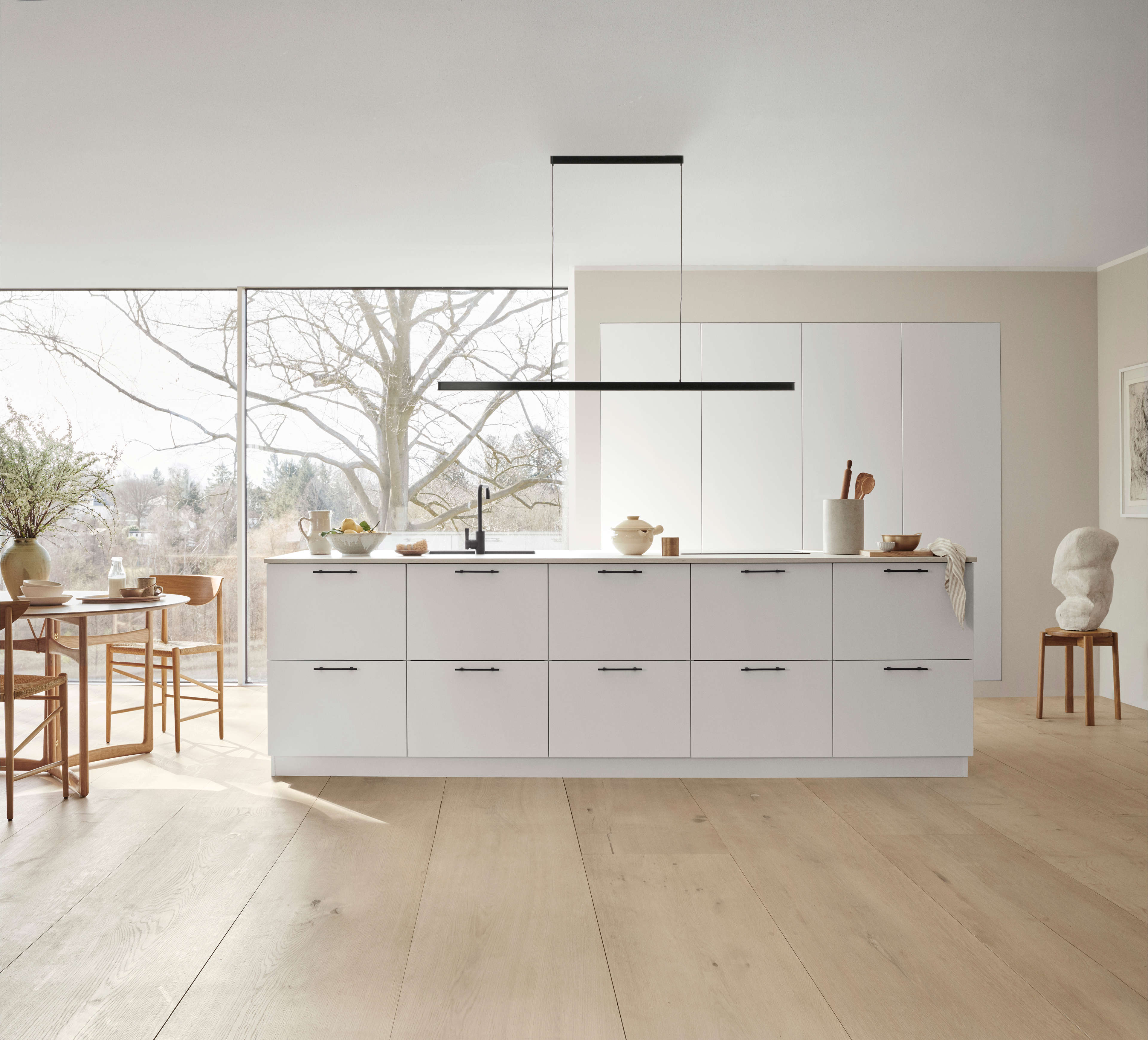
Yeah. And also the, the whole aspect of catering to the nine out of 10 and not the one out of the 10. Yeah. So we, coming from furniture as a background, we knew we, we have substantial experience in terms of interior and preferences. Yeah. And one of the things that came out of that was the talk and ultimately the design of the Corisa, the whole slatted wooden panel. It's just a huge trend, and that was growing tremendously at the moment, like starting in architecture and then moving like to product design and furniture design. Now it's all over. So the timing was good for that one as well.
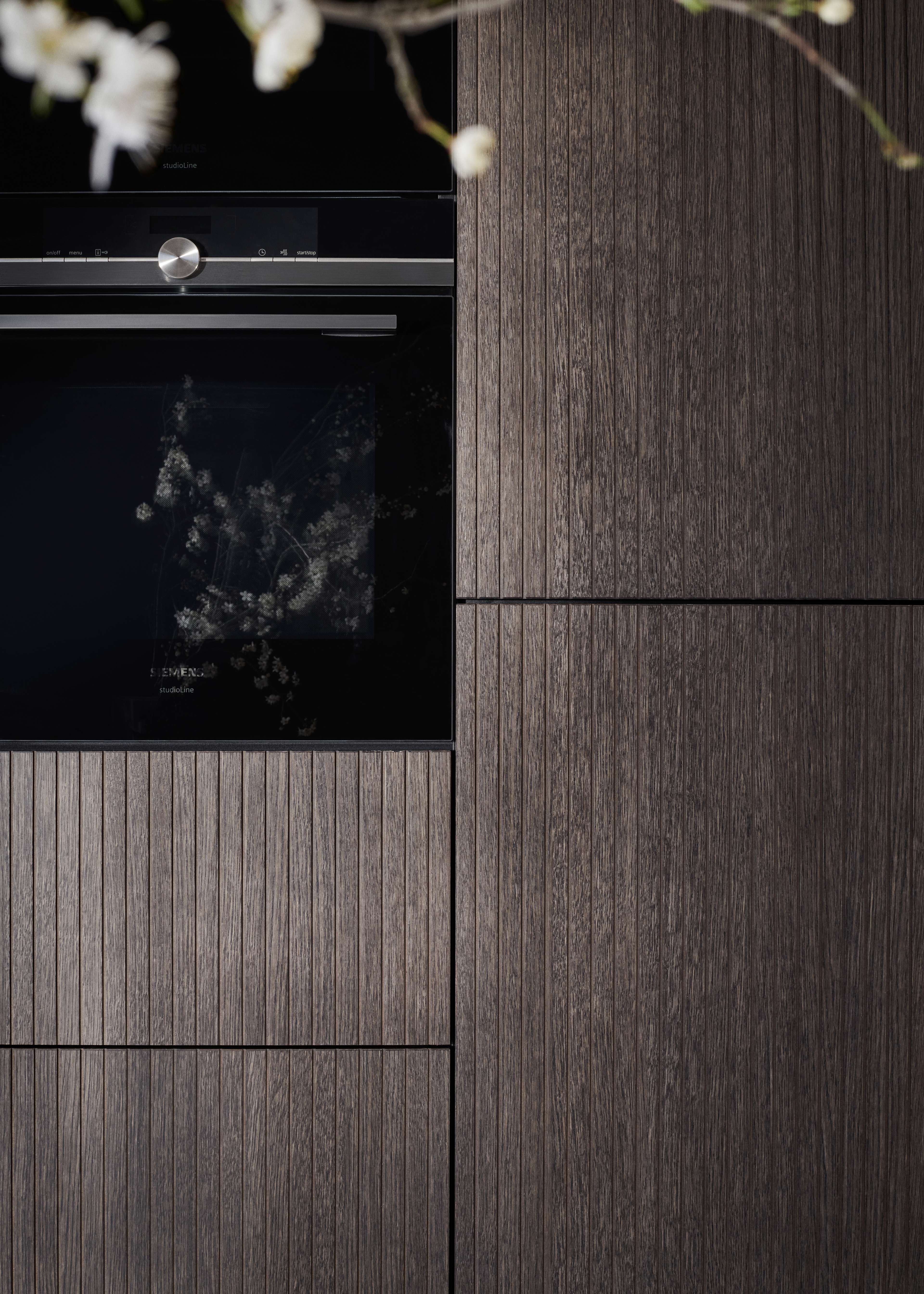
Julie: Corisa is all about those vertical oak slats, thin, elegant wooden strips lined up like they're posing for a very tall, very serious group photo. It's that modern Danish look everyone loves. The vertical slats do double duty. They create that sculptural textured look everyone on Instagram is losing their minds over, and they also help soften the acoustics so your kitchen feels calm even when you're slamming cabinet doors because you can't find where you put the cinnamon.
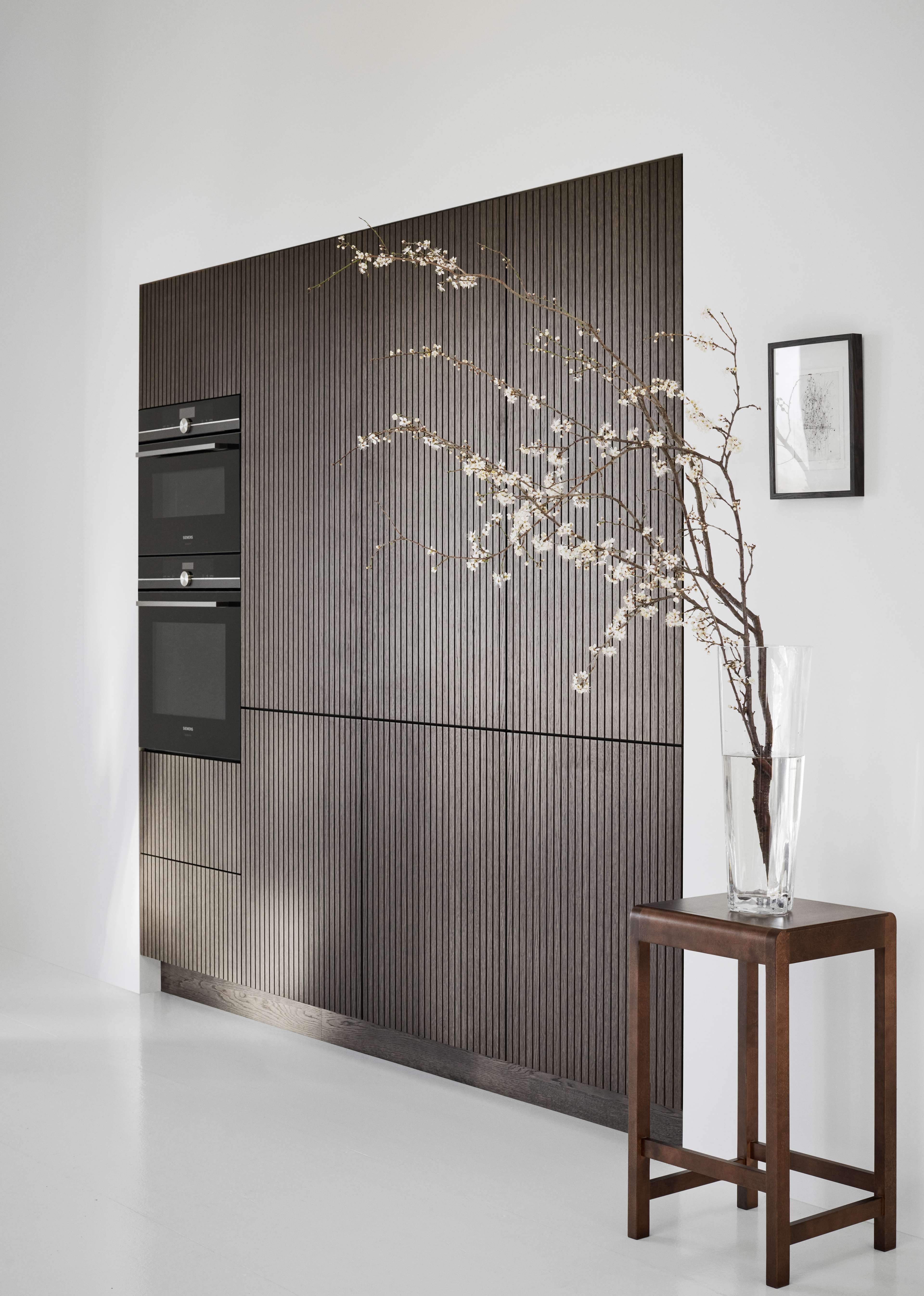
Nikolaj: But it was a marriage between the competencies in Kvik in terms of actually making that. And how do we do that? How will we manufacture that? Yeah. Is it possible and how expensive will it become? So we did the design to try to define, like, what would the style look like? Because it's not just slats. There's a rhythm to it.
Julie: And you have to like how far apart they are must be super important. I think Claus mentioned that you had many, I can't remember how many prototypes he said… there were a lot where you were like, "How far apart should these be?"
Nikolaj: There was a lot ... And I remember the pitch we did for them at the moment, 'cause if you're not into it, as I guess we are, you maybe initially can't see the difference.
Right. So we pitched basically, so this is a rhythm that's going with this width and then this depth. And then this one. Isn't it the same? No, it's not. It's absolutely not the same. Yeah. Uh, but the balance of when looking at it as a flat surface across a kitchen that goes in different heights and all that stuff, the rhythm really matters. And then of course, trying to also do something that's maybe a bit different than what's already in the market.
Julie: And it was initially released, I remember our photos of it, it was the tall cupboards and it was actually paired with another design, which I think works really well, and I think that's a trend that we tapped into as well with it.
Nikolaj: For sure. That you combine actually two designs and two colors and two feelings, actually. Yeah. I think that launch said it quite well, that it's a thing that you can temper to the amount you feel comfortable with. And the back wall, like I, I remember the first one came out with a gray kitchen in front. I think that was a really balanced way to do it, 'cause not everybody, like, would maybe go all out. Yeah. But that's also back to the, the nine out of 10 approach. Yeah. Like we are for the people designing here with Kvik. And that's a super noble mission, and you need to understand that, otherwise you're not resonating with your customer.
Julie: We are spread across Europe. I saw recently a really beautiful version of Corisa on the island, so not as a tall cupboard and with light oak. And I think it was paired with an arizona beige and it just looked spectacular. And that was from the Netherlands somewhere.
So maybe also in our different countries, our different kitchen designers out there in the stores and the different tastes of customers also result in things that we maybe didn't think of when we think Danish design sitting here in Denmark.
Nikolaj: But I think I feel humbled knowing that we're producing something that- The sales staff that is working with the actual consumers actually can understand and work with. And they're inspired by it and come up with solutions and it's not becoming a, like a kitchen that is so difficult to understand or so complex to, to resonate with that it's just, they, themselves even can't convey it to the end consumer. There's a beautiful balance there to be gained.
Julie: I think you struck that balance with Corisa.
Nikolaj: Yeah. Well, thank you.
Julie: Are you working on another kitchen for us?
Nikolaj: Not at the moment. Not at the moment. No, I think we transcended a bit into the furniture part that Kvik is trying to develop.
So it started so beautifully with us trying to help them on the kitchen part, and now we got the pleasure of trying to do that on smaller units as well.
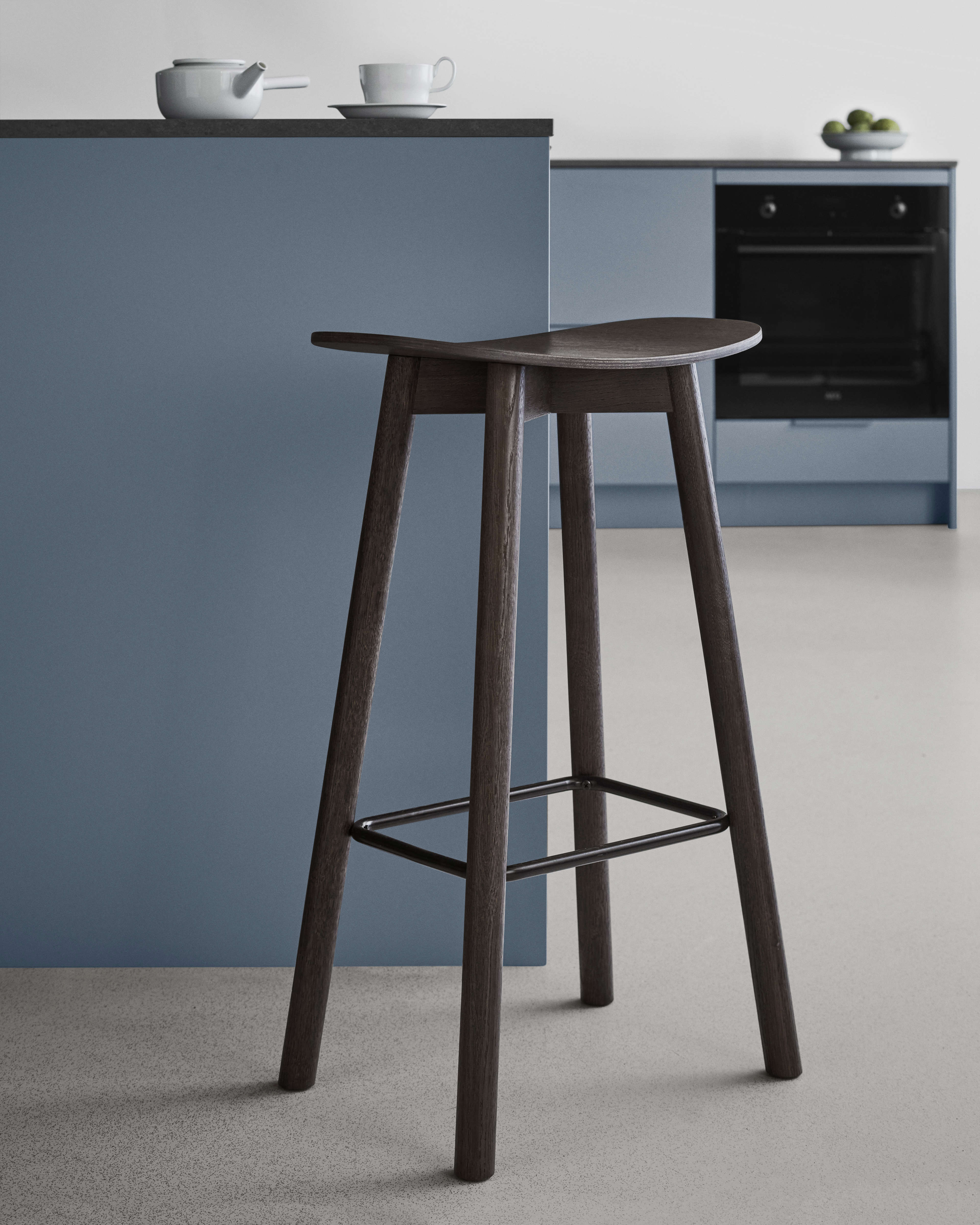
Julie: And you did the bar stools. They were, as you say, the first sort of foray into Kvik Living, making bar stools. It made a lot of sense to make bar stools that, like, are the perfect height for our kitchens and that match the kitchen, right? I think Kvik Living came out of that or was happening at the same time. Yeah. And now there's a whole range of furniture. But how do you make a barstool that, that sort of harmonises with the kitchen?
Nikolaj: Yeah, good question. I remember the initial plot was there were some talks around what would be the next natural step in trying to go from kitchen to products. And it made a lot of sense to, to tap into what they already knew would work with kitchens, which would of course be the barstool category. Then I think they conveyed to us also that if we can succeed with this and actually come to a point where we can manufacture our own barstools and they will sell with these kitchens, then we have a platform to expand on. Yeah. So it was quite a, quite a big mission on that one.
Julie: But no pressure.
Nikolaj: Yeah. No pressure. No pressure. Easy peasy. But seeing as we came from a furniture background we were more on our home turf. So that was like, "Oh, yeah, we can do that." Yeah, yeah. Uh, we felt very comfortable with that. But as with the Ombra kitchen and as with the Ombra, the Corisa as well, it's not just another piece 'cause there's a bigger story to it. Again, we just love the philosophy of catering to the eight or nine out of 10 and not the one out of the 10.
Julie: But even then, even the nine out of 10, they want something beautiful for their home. Yeah, yeah. And they want it to match. They wanna be able to put their pictures of it on Instagram.
Nikolaj: Exactly. But the key word was balance. Yeah. But how do you find that balance? Because on the one end, it needs to extend the DNA of Kvik, not necessarily look like the kitchen, 'cause that would be maybe a bit odd in terms of that category in its own right.
We don't want 10 different barstools, just one that’s good
Nikolaj: And then so that was the point of departure and the assignment that was given. How do we then take it to the next step? And they had some great ideas like, because the Ombra was a point of departure again. There was a lot of success in that approach and that, that dream we had. And we actually took that a step further into the same category. So The whole idea of natural materials was quite intriguing to us, and it made a lot of sense 'cause they were sort of part of what made Ombra, both the colours but also the wooden handles and the soft shaping and all of that.
So there was something to build on there that we could all agree was well working and seemed to resonate with the customer base. Yeah. So we didn't want to leave that sort of philosophy, like stray too far from that path, seeing as the idea was to basically create a core assortment. So we don't want it to do the art piece.
And we don't want, and we don't want 10 different barstools, just one that’s good. Like, the SKU count had to be to a minimum. Each piece they launched, they, they put their heart and soul into it, and it needed to work, and then coming back to balance. Right? So there were certain elements to work with, and then they had also had a, how should I say, a question or a demand that if it could be, like all out more sustainable than the rest, it would be a good thing.
At the end of the day, Kvik is also selling interior furniture pieces, and that comes with a certain amount of storytelling. So the story needed to be nice and needed to be something that extended the idea of the Ombra in particular, and that resonated well with the idea of having chairs that could be flat packed.
And, and also the challenge of not making IKEA products. All respect to IKEA. But there's a certain amount of, how should I say, story, a certain particular story coupled to KD furniture which we wanted to dissolve because there's a lot of great things in furniture being transportable-friendly, not just that it's more efficient with the transport. It's not just to save money, but it's to transport less in its core.
So if it stacks better, packs better, you need to transport less to achieve the same goal. But people also need to be able to assemble it- Yeah, yeah ... and make it be a chair that doesn't wobble if they... Like, they have to, it has to be easy to assemble. Exactly. Yeah. And so back again to balance.
So it needed to be a natural thing, a natural material born initially. It needed to have a sweet shaping going on but not be too much, but still be an icon in the realm of the Kvik kitchen, right? And not in the realm of any other kind of product stores, 'cause it would have to be sold with the kitchen in the domain of Kvik, right?
So that was the arena it had to stand out in, and then not be, I guess, at least that was my take, also coming from the background of being a Danish designer, had to be fascinating yet understanding, able to be understood and pleasant. Right?
Julie: And maybe timeless, something that you wouldn't wanna switch out in a couple of years.
Nikolaj: For sure, yeah ... you wanna keep it a long time.
How can you set the mood in a kitchen with lighting?
Julie: After the barstools, the next challenge was something completely different: light. How do you capture that same sociable feeling, not through furniture, but through atmosphere? That question became the starting point for Says Who's first lighting designs for Kvik.
Nikolaj: How can you set the mood in a kitchen with lighting? And so we really made everything from floor lamps to wall lamps to pendants to, uh, rail lamps and you name it. Okay, so it was pretty wide open. The mission wasn't to produce lighting for above a kitchen island. It wasn't per se to do a rail light. And trying to fold it out in terms of what ranges or styles and looks and materials could be relevant, 'cause we know when you're doing something for the first time you need to see a variety. Yeah. Because Kvik needed to also put themselves into it to see what does Kvik lighting look like?
And as soon as you're venturing outside the kitchen category, everything changes. You can't make everything look like a kitchen. It needs to resonate with them. So it ended up in this really cool rail light, as I call it, that is in its core made to fit with that island setup, which is one of the well-selling items.
It became a really, like, industrial design piece. But I think it, it ended up fitting well with the idea of the kitchens, 'cause to some extent they are super industrial, right? Really mathematically, horizontally or vertically, like proportionally precise.
Julie: Yeah. So it fits into that…math somehow. I think it does. I don't know what it is. I keep thinking about this. How are these Kvik Living items... They do feel like Kvik in general, but what is it that feels like they do harmonise with the kitchens? I can't put my finger on what it is. It might be that you also have a curved edge on it. And it's maybe not the same curve as Ombra, but there is an echo there of softer, it not, it's not sharp. It's industrial, but it's not- I think it's- ... pointy and harsh.
Nikolaj: I think it's, it's like the designs are embodying, like the Kvik or the people we work with at Kvik, they really want to, they really want to make those unique pieces with a great understanding of what commercially works. So that, those two dimensions put together as it, that's really, that's a nice place to be, at least on our side when we're working with customers, 'cause they, they would like it to work.
They would like the customers to be happy and actually buy this stuff. But they also want it to be long-lasting and quality-based. The whole mission of Kvik is to do affordable design, but it just requires a big process in daring to also push the envelope of what it, what a design should look like without exploding the reasoning behind what works.
And so they push a lot back when we do design, and I think that's part of the reasoning why they end up being what they end up being, like a Kvik thing.
Nikolaj: I think it's, it's like the designs are embodying, like the Kvik or the people we work with at Kvik, they really want to, they really want to make those unique pieces with a great understanding of what commercially works. So that, those two dimensions put together as it, that's really, that's a nice place to be, at least on our side when we're working with customers, 'cause they, they would like it to work.
They would like the customers to be happy and actually buy this stuff. But they also want it to be long-lasting and quality-based. The whole mission of Kvik is to do affordable design, but it just requires a big process in daring to also push the envelope of what it, what a design should look like without exploding the reasoning behind what works.
And so they push a lot back when we do design, and I think that's part of the reasoning why they end up being what they end up being, like a Kvik thing.
Julie: Yeah, they have a signature Kvik thing. Would you also feel that there's a signature Says Who thing in the things you've done for Kvik?
Nikolaj: Yes, I would say so, but, like, not directly. Because I think to a certain extent our own philosophy resonates quite well with Kvik. Like, our whole company was founded on the idea that we wanted to design stuff for people that they could afford. To some extent, what we could afford ourselves. And that it would be beautiful and then it grew from there. And I remember one of the... Like, way back when we met Kvik, and we initially started going, we were quite surprised that the slogan they had were more or less the same.
Julie: "Everybody has a right to a cool kitchen." Back in the day we had that. We had a slogan, and now it's, "Danish design, surprisingly low prices." And what was your slogan?
Nikolaj: "A great design can be for everybody." Because that was what we grew out of, doing industrial approaches to furniture design to make them affordable, well-made, and still super designed with clients that we know have a hold on the wider audience. Yeah. So it was a happy marriage, I guess, on a philosophy or approach sort of level. A good match. Yeah, yeah. Yeah. So I think that's maybe a, if it is a reason, the reason for why they look Kvik-ish and Says Who-ish.
We're not bound by the old rules of a journey
Julie: That shared belief that good design should be for everyone really ties Kvik and Says Who together. And for Nikolaj, that same mindset extends to how he works, exploring new tools, technologies, and ways to create. We asked him what's inspiring him right now on that front.
Nikolaj: I think I'm a person that I love the craft in what we do. I love creating or seeing something come alive. Mm. And I guess, so for me, uh, for the last year at least, and I think for many years forward, I've been really consumed by how technology is moving what we do.
I'm constantly exploring these new tools because they are so amazing. Because we are super visually born, at least what we do at our office. And the way things have worked in the past is there's, there's always been a limitation to how creative, in a sense, you can be because the limits in how good you sketch or how well you build in 3D. Or how much research you can consume as a person has limitations. And those barriers are being broken down with AI in particular. And it's just opening up a completely new realm of creativity, which I'm smiling every day at the of… I've always been smiling at the office, but now it's maybe just a tad wider. Because we can now go about doing stuff in a completely different way.
Just an example, like we have a project not so long ago where we decided to start out with creating a persona. We've never had the luxury of that because who is that? The research in itself would be consuming in time. So we wanted to create a, just a, a context to design out of. And AI is so visual, like we can... Like the talks we have with AI and the imagery it produces is just so inspiring for us to do what we do. Just 'cause everything is so visual now, and when we create stuff, it's no longer... We don't need to have a big abstract level 'cause we can always be in the realm of reality.
Is this nice? Is this nice? Does this work? So you're making a context, using AI. It's just one of the many new ways we can go about creating stuff. It’s faster and for us, it makes us able to go deeper into understanding what creates value.
That's the most profound thing, like the amount of research we can consume now and the reasoning we can come up with in terms of what should we do, what makes sense to do- Yeah ... here, what has been said, what has been written, what reports are there, what data can we accumulate and reason something out of, even before we start designing.
And then designing in its own right is also changing because now we can have crazy thoughts. What would it look like if it was designed a place with no gravity? So it's just to say that it's, we're in a period now where we can, we are actually trying to redefine how we go about thinking stuff.
Because it's just we're not bound by the old rules of a journey — time constraints and… so it's super fascinating. I'm so inspired by because we get assignments, and we need to do this, and then we can just go 180 degrees in some random direction to get inspired. And there's no limit to what dimensions of inspiration we can create and work. Like, we're, we're set free.
Julie: Thank you so much to Nikolaj Duve, co-founder of Says Who, for joining us here on The Sociable Kitchen® podcast. Says Who has designed two kitchens for us, Ombra and Corisa. And for our Kvik Living line, they've done two barstools and a rail lamp.
The Kvik Living items are in our web shop at kvik.com or at a Kvik store near you. They're hard at work on more items for Kvik Living, but we'll share more about those later. This episode was produced by me, Julie Broberg. I'm Senior Content Manager at Kvik. I couldn't do this podcast without the help of sound engineer, Magnus Vad.
It was produced at Feedback Studio in the old meatpacking district near the harbor in Aarhus. We've got more episodes on Danish design dropping soon, so hit subscribe wherever you listen to podcasts.